
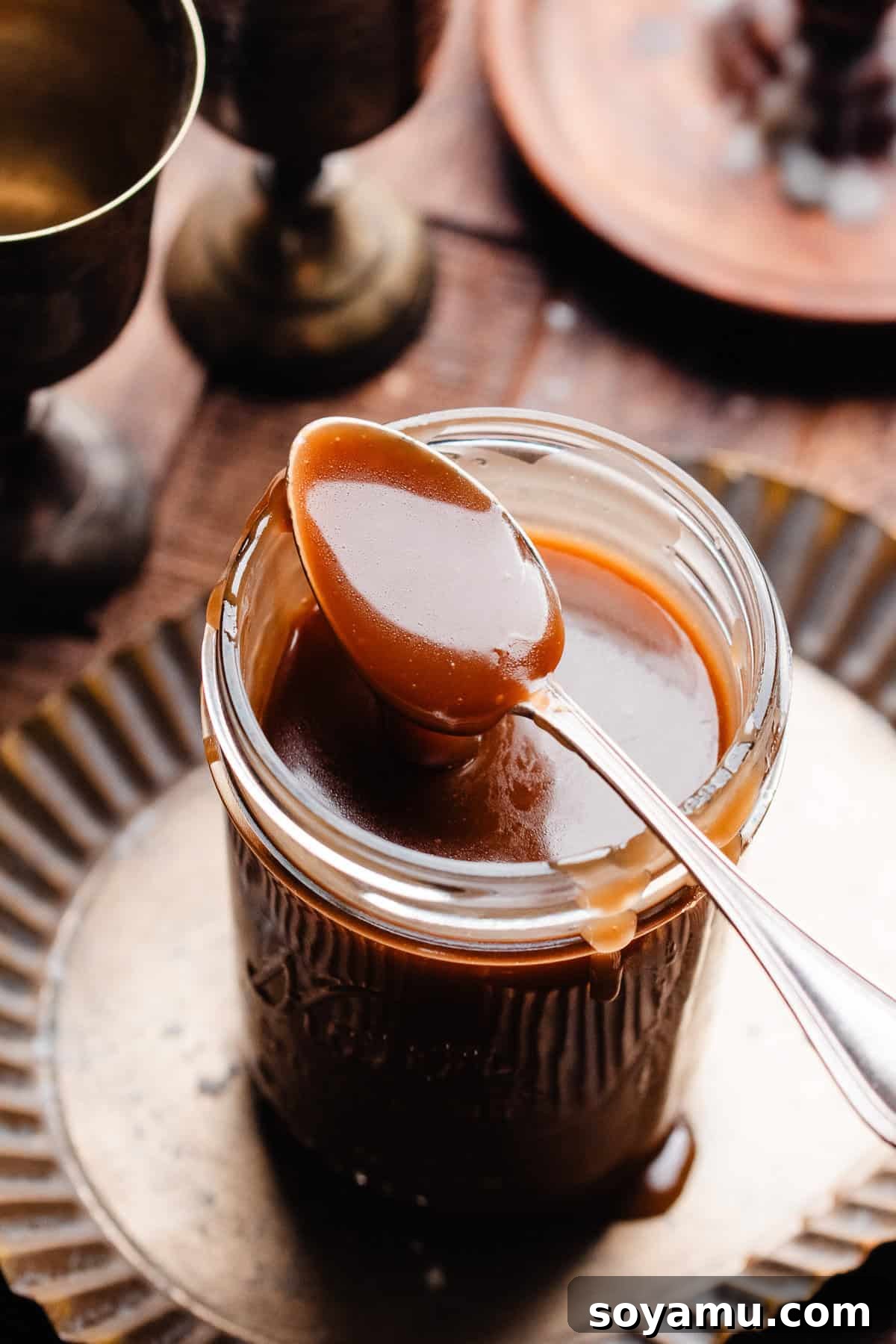
Butterscotch Sauce is a culinary game-changer, effortlessly transforming ordinary desserts into extraordinary indulgences. This luxurious, golden elixir comes together in just about 10 minutes using only 5 simple ingredients, proving that gourmet flavors don’t require complex techniques or a candy thermometer. Whether you’re a seasoned baker or a kitchen novice, mastering this homemade butterscotch recipe will add a touch of magic to your repertoire. Spoon it warm over classic ice cream sundaes for an instant upgrade, or allow it to cool and thicken, making it an ideal, rich filling or luscious topping for a myriad of treats including elegant cakes, creamy cheesecakes, delightful cookies, and velvety frostings. Its versatility and irresistible flavor make it an absolute must-have in any dessert enthusiast’s kitchen.
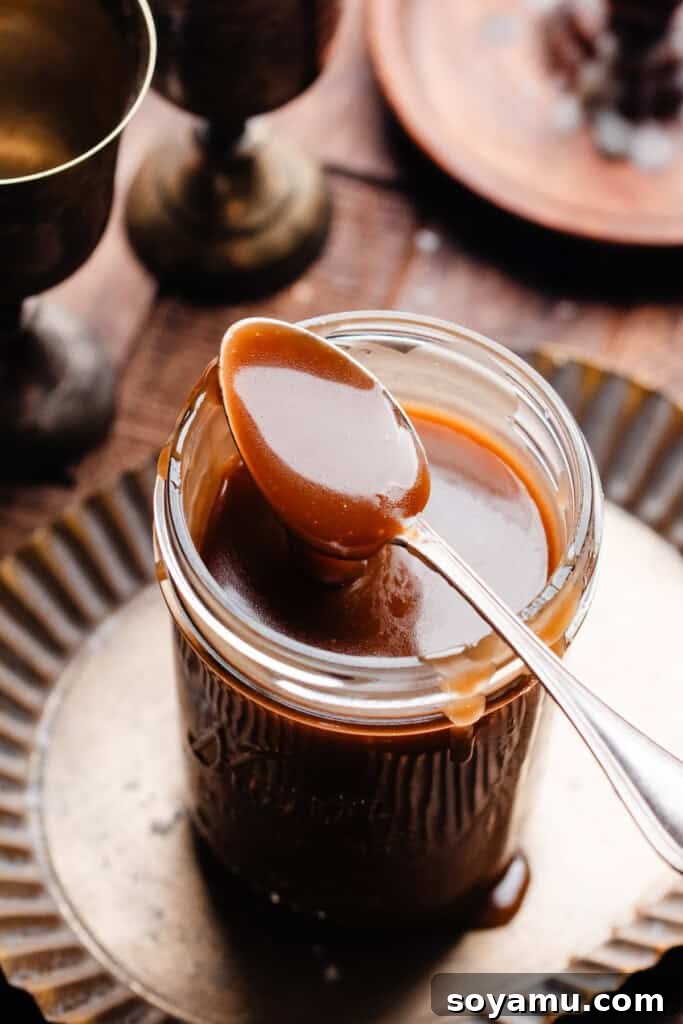
Why You’ll Adore This Easy Homemade Butterscotch Sauce
There are countless reasons why this quick and simple butterscotch sauce will become a cherished staple in your kitchen. From its incredibly rich flavor to its impressive versatility, here’s why this recipe stands out as a true dessert hero:
- Effortless & Quick Preparation: Forget complicated techniques, lengthy processes, and intimidating equipment. This recipe is designed for maximum flavor with minimal effort, requiring only about 10 minutes from start to finish and a handful of common pantry ingredients. You won’t even need a candy thermometer to achieve perfectly smooth, delectable results every single time. It’s the ideal solution for last-minute dessert cravings or when you need a swift yet impactful addition to your sweet spread.
- Luxuriously Delicious Flavor Profile: Prepare your taste buds for the true essence of authentic butterscotch – a silky, smooth sauce bursting with deep, caramelized dark brown sugar notes perfectly complemented by rich, creamy buttery undertones. It’s a sophisticated blend of sweet and savory that elevates any dessert, transforming a simple scoop of ice cream or a plain cake slice into an irresistible gourmet experience, whether your base is store-bought or a cherished homemade creation.
- Incredibly Versatile Culinary Companion: This isn’t just a sauce; it’s a dynamic dessert component ready to be integrated into countless applications. Enjoy it warm as a decadent drizzle over classic vanilla ice cream, fluffy pancakes, crispy waffles, French toast, or even fresh fruit salads for an instant upgrade. Let it cool completely to achieve a thicker, more spreadable consistency, making it an ideal, rich filling for elegant layer cakes, creamy cheesecakes, delicate cupcakes, or a luscious topping for brownies and cookies. It also makes a fantastic base for butterscotch frosting or can be swirled into milkshakes and coffee drinks for an extra layer of indulgent flavor.
- Thoughtful & Impressive Homemade Gift: Jars of homemade butterscotch sauce make for a charming, heartfelt, and much-appreciated gift during the holidays, for birthdays, or for any special occasion. Bottle it up in attractive jars, adorn with a pretty ribbon, and present it to teachers, friends, neighbors, hosts, or family members for a truly personal and delicious gesture. It’s a gift that speaks volumes about your care and effort, crafted right in your own kitchen.
- Dietary Adaptability: As written, this recipe is naturally gluten-free, making it a safe and delicious option for those avoiding gluten. For individuals with dairy sensitivities, this sauce can also be thoughtfully adapted to be dairy-free by using reliable, high-quality substitutes for butter and heavy cream, ensuring that more dessert lovers can enjoy its golden goodness.
Key Ingredients for Your Perfect Butterscotch Sauce
Creating an exceptional homemade butterscotch sauce starts with understanding the role of each ingredient. While the list is simple, the quality and type of each component contribute significantly to the final taste, texture, and success of your sauce. Below is a detailed look at the essentials for this irresistible recipe:
- Butter (Salted Preferred): Butter is the backbone of butterscotch, lending its rich flavor and smooth texture. I highly recommend using salted butter because its inherent saltiness perfectly balances the intense sweetness of the brown sugar, adding depth and a more complex, nuanced flavor profile to the finished sauce. This creates a delightful sweet-and-salty dynamic that truly makes the butterscotch pop. However, if unsalted butter is all you have on hand, feel free to use it; just be prepared to add a slightly more generous pinch of salt at the very end to achieve a similar delightful balance.
- Dark Brown Sugar: This is the cornerstone of authentic butterscotch flavor. Dark brown sugar contains a higher molasses content compared to light brown sugar. This not only imparts a richer, deeper, more complex caramel-like taste but also provides crucial moisture. The extra moisture from the molasses is vital in preventing sugar crystallization, which is a common culprit for grainy sauces, thus ensuring your butterscotch remains wonderfully smooth and velvety. Do not substitute with white granulated sugar, as that would yield a caramel sauce with a different flavor profile.
- Heavy Cream: Also commonly known as heavy whipping cream, this ingredient is absolutely vital for the sauce’s luxurious texture, richness, and mouthfeel. Its high fat content (typically 36% milkfat or more) creates an irresistibly creamy and luscious consistency and helps to emulsify the sauce, preventing separation and making it wonderfully smooth. Do not substitute with lighter creams, half-and-half, or milk, as these alternatives have lower fat content and will result in a thinner, less rich sauce lacking the desired decadent quality.
- Cream of Tartar: This often-overlooked and seemingly minor ingredient is actually a secret weapon in butterscotch making, playing a critical role in preventing graininess. As an acidic powder, cream of tartar acts as an anti-crystallizing agent. It works by interfering with the formation of large sugar crystals during the boiling process, ensuring that the sugar remains dissolved and the sauce achieves a perfectly smooth, velvety texture. A small amount makes a significant difference in achieving that professional-grade, silky consistency. While some recipes use corn syrup for this purpose, cream of tartar achieves it beautifully without altering the delicate flavor of the butterscotch.
- Salt: Beyond just enhancing taste, salt is a crucial ingredient in butterscotch. A small pinch of fine sea salt (or flaky sea salt added at the end) works wonders to balance the intense sweetness, cut through the richness, and truly enhance all the other flavors. It brings forward the deep, buttery notes and prevents the sauce from being cloyingly sweet, creating a more well-rounded and addictive profile.
- Vanilla Extract: For the best and most authentic flavor, always opt for pure vanilla extract. Its warm, aromatic, and slightly floral notes complement the brown sugar and butter perfectly, adding a layer of sophisticated depth to the sauce. Add it at the very end, once the sauce is removed from the heat, to preserve its delicate flavor compounds which can dissipate if boiled.
Recipe Adaptations & Dietary Variations
This butterscotch sauce recipe is quite flexible, allowing for certain adjustments to suit various dietary needs and preferences without compromising too much on flavor or texture.
- Gluten-Free: This recipe is naturally gluten-free as written! All the core ingredients – butter, brown sugar, heavy cream, cream of tartar, salt, and vanilla extract – are typically gluten-free. This makes it a wonderfully safe and delicious option for individuals with celiac disease or gluten sensitivity.
- Dairy-Free: To make this sauce dairy-free and suitable for vegan diets, you will need to substitute both the butter and the heavy cream with reliable dairy-free alternatives. Look for high-quality, plant-based butter sticks (often made from coconut, cashew, or soy oil) that are specifically designed for baking, as some dairy-free butters behave differently when heated. For the heavy cream, use a full-fat dairy-free heavy cream alternative, such as canned full-fat coconut cream (the thick part from the top of a chilled can) or a commercially available dairy-free heavy whipping cream. Ensure your chosen substitutes are trusted and suitable for cooking to achieve the best possible consistency and flavor.
Crafting Your Dream Butterscotch Sauce: A Step-by-Step Guide
Making this luxurious butterscotch sauce is far simpler than you might imagine, especially without the need for a candy thermometer. Follow these clear, detailed steps to achieve a rich, smooth, and utterly delicious result every time.
Step 1: Lay the Foundation for Flavor.
Begin by melting the specified amount of butter (1/2 cup or 113 grams) in a medium-sized, heavy-bottomed saucepan over medium heat. Using a heavy-bottomed pan is important for even heat distribution, preventing scorching. While the butter is gently melting, prepare your anti-crystallization agent: in a small separate bowl, stir the cream of tartar (1/8 tsp) into the water (1/2 tsp), stirring vigorously until the cream of tartar is completely dissolved with no visible lumps. This pre-dissolving step is vital for preventing a grainy sauce later on. Once the butter is fully melted and shimmering, pour in the cream of tartar solution, followed by the dark brown sugar (1 cup or 220 grams). Stir constantly with a whisk or wooden spoon until the brown sugar is completely dissolved into the butter mixture, creating a smooth, glossy, uniform base. This initial dissolution is key for a silky sauce.
Step 2: Smoothly Incorporate the Cream.
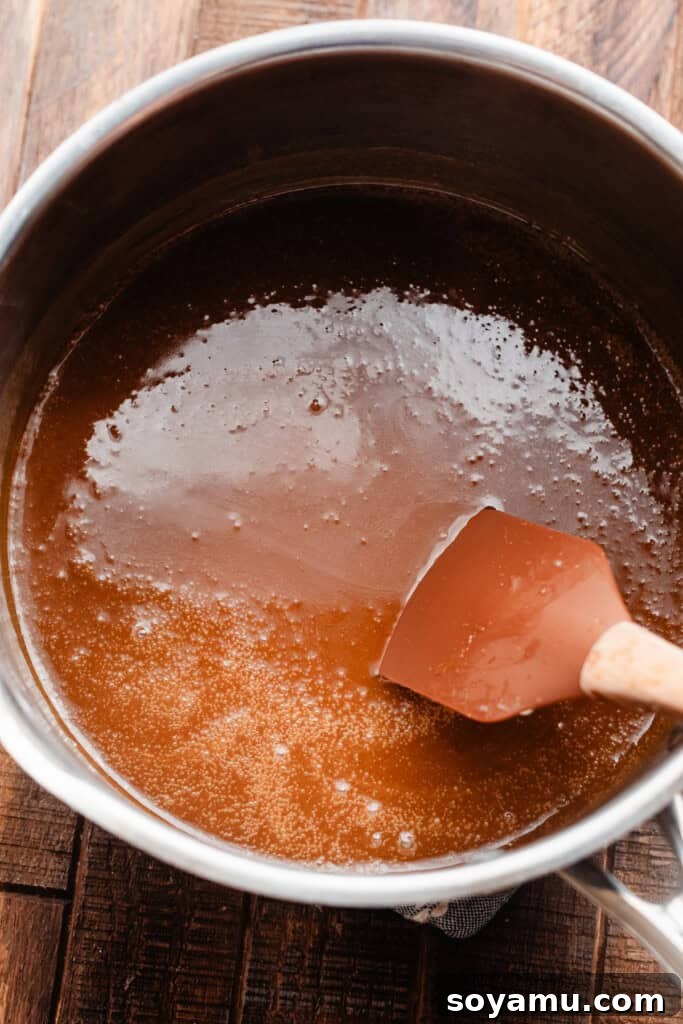
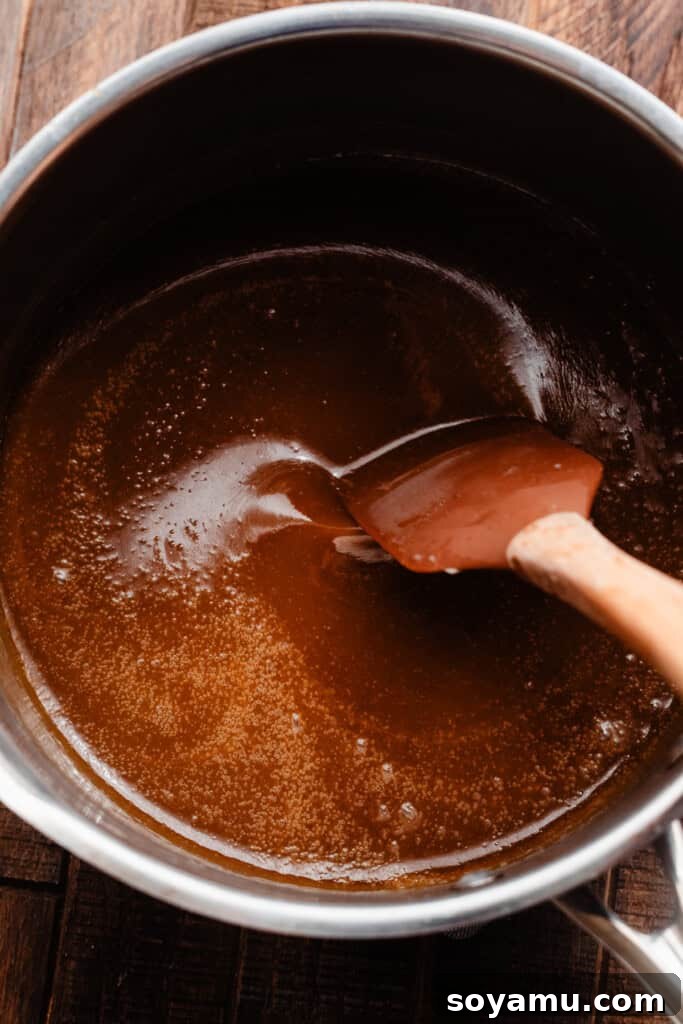
Next, carefully pour in the heavy cream (1 cup or 240 grams) into the sugar and butter mixture. Continue to stir continuously with your whisk or spoon until the heavy cream is thoroughly combined, and the sauce appears entirely uniform in color and consistency. This ensures all ingredients are well-integrated before the crucial boiling stage, promoting an even cook and preventing any separation or clumping.
Step 3: The Crucial “No-Stir” Boil.
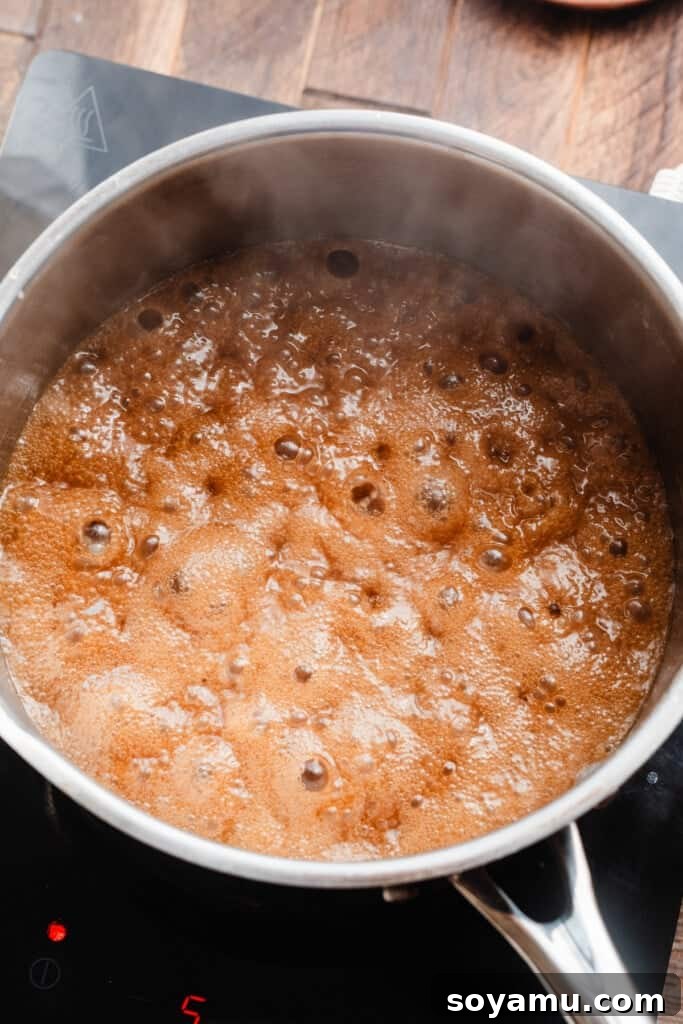
Increase the heat slightly to medium-high if necessary, and bring the mixture to a full, rolling boil. Once it reaches a vigorous boil, immediately set a timer for precisely 5 minutes. During this critical boiling period, it is absolutely essential that you do not touch or stir the mixture at all. Stirring at this stage can introduce air and encourage sugar crystals to form along the sides of the pan, which can then fall back into the sauce and lead to a frustratingly grainy texture. Allow the sauce to bubble away undisturbed for the full 5 minutes; this allows the sugar to properly cook and caramelize, developing its rich flavor and achieving the correct concentration and consistency. You’ll notice the sauce might darken slightly and the bubbles will become smaller and more consistent.
Step 4: The Perfect Finishing Touches.
After the 5-minute boiling time is complete, immediately remove the saucepan from the heat. This is when you’ll add the final flavor enhancers that bring your butterscotch to life: stir in a generous pinch of sea salt (adjust to your taste preference for that delightful sweet-and-salty balance) and a splash of pure vanilla extract (1/2 tsp). Stir everything well until thoroughly combined. At this stage, the sauce will appear quite thin and liquid, but do not be alarmed – this is perfectly normal. It will thicken considerably as it cools, developing its signature luscious, spoonable consistency.
Expert Tips for the Ultimate Butterscotch Sauce
Achieving a consistently perfect, silky-smooth butterscotch sauce is simple when you know a few insider tricks. These expert tips will help you avoid common pitfalls and ensure your sauce is rich, flavorful, and wonderfully smooth every single time.
- Use a Heavy-Bottomed Pan: The choice of cookware is more important than you might think. A good quality, heavy-bottomed saucepan is crucial because it distributes heat evenly across the bottom. This prevents the butter and sugar from scorching or burning in hot spots and ensures a consistent, gentle cook. Scorched sugar can lead to a bitter taste and an off-color sauce.
- Accurate Measurements Are Key: While baking often feels like an art, precision in recipes like this one can make a huge difference. For consistent and reliable results, especially with ingredients like sugar and butter, using a food scale is highly recommended. This prevents variations that can occur from different measuring cup techniques (e.g., scoop and sweep vs. packing brown sugar too tightly). Grams provide the most accurate measure.
- Ensure Cream of Tartar Dissolves Completely: This small step has a big impact. Always make sure the cream of tartar is fully dissolved in the water before adding it to the butter mixture. Any undissolved granules can later act as nucleation points for sugar crystals, leading to an unwanted grainy texture in your finished sauce. Take the time to stir it thoroughly until clear.
- Patience During Initial Stirring (Sugar Dissolution): When you first combine the melted butter, cream of tartar solution, and brown sugar, take your time and stir diligently until the brown sugar is completely dissolved. You shouldn’t feel any grit when you rub a tiny bit between your fingers (once it’s cooled slightly, of course). This initial, thorough dissolution is critical for preventing crystallization later on.
- Strictly Adhere to the “No Stir” Rule During Boiling: This is arguably the most critical tip for a smooth butterscotch. Once the sauce begins to boil vigorously, absolutely resist the urge to stir it for the entire 5-minute boiling period. Stirring introduces air and can cause sugar crystals to form along the sides of the pan. These crystals can then fall back into the sauce, contaminating it and leading to an unpleasantly grainy texture. Let it bubble away undisturbed.
- Observe Visual Cues During Boiling: During the 5-minute boil, pay attention to how the sauce changes. You’ll notice it will become slightly darker in color (a deeper amber), and the bubbles will likely become smaller, more numerous, and more consistent across the surface. These visual indicators suggest that the sugar is properly caramelizing and the sauce is concentrating, developing its characteristic richness.
- Cooling for Optimal Thickness: Remember that butterscotch sauce is quite thin when hot, and this is completely normal. Its luscious, spoonable, and spreadable thickness develops significantly as it cools. If you plan to use it as a cake filling, for example, it’s essential to allow it to cool to room temperature or even chill it slightly in the refrigerator for the best, most stable consistency.
- Taste and Adjust Seasoning: After removing the sauce from the heat and stirring in the vanilla, carefully taste a small amount (it will be hot!). This is your perfect opportunity to adjust the salt level to achieve your desired balance of sweet and salty. A pinch of flaky sea salt sprinkled over individual servings can also elevate the flavor significantly, adding a delightful textural contrast and an extra burst of savory goodness.
Serving Suggestions & Smart Storage Tips
Once your homemade butterscotch sauce is ready, a world of delicious possibilities opens up! Here’s how to best enjoy and preserve your delectable golden creation.
Serving Suggestions:
- Warm & Drizzled Delights: For a comforting and incredibly indulgent treat, serve the butterscotch sauce warm. Its flowing consistency makes it divine when drizzled generously over classic vanilla ice cream, warm apple pie, fluffy pancakes, crispy waffles, or even fresh fruit like sliced bananas or pears. A slightly warmed sauce will be thinner and perfectly pourable.
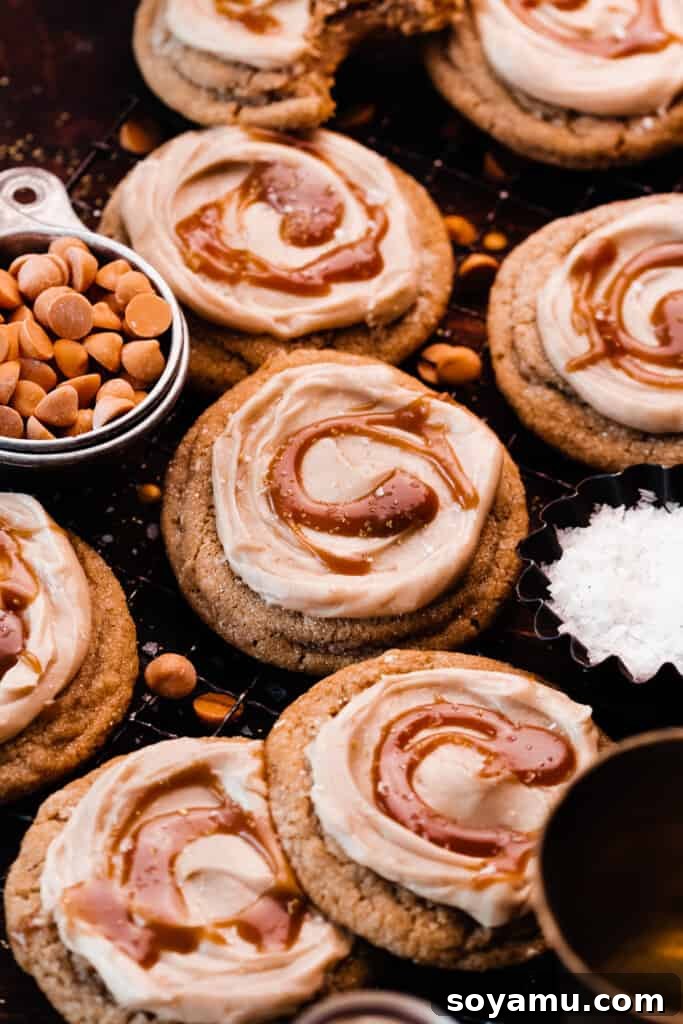
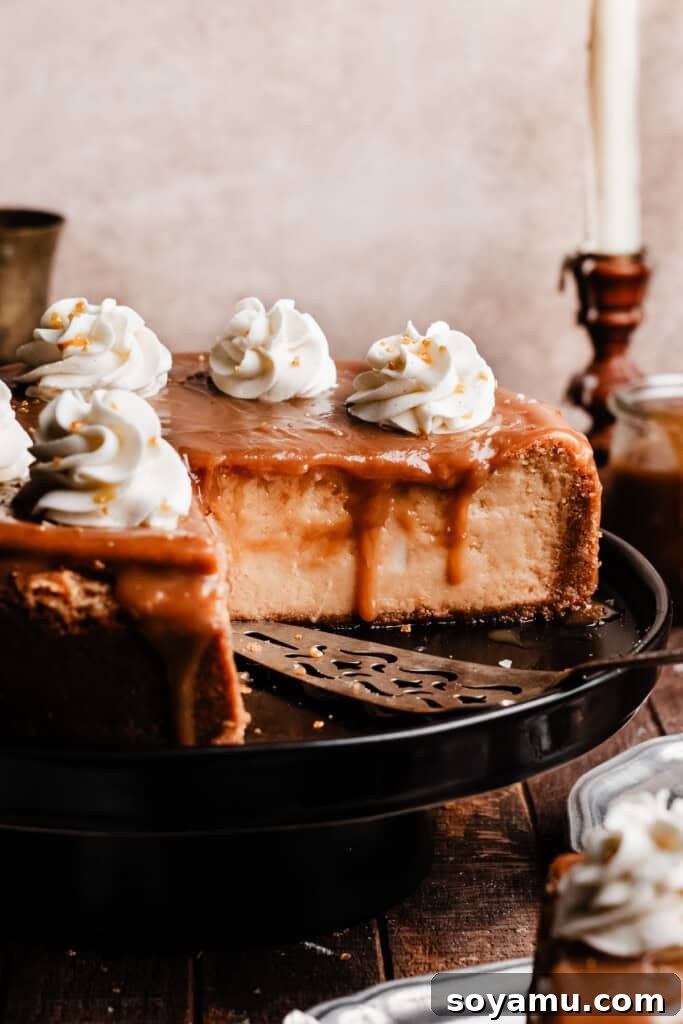
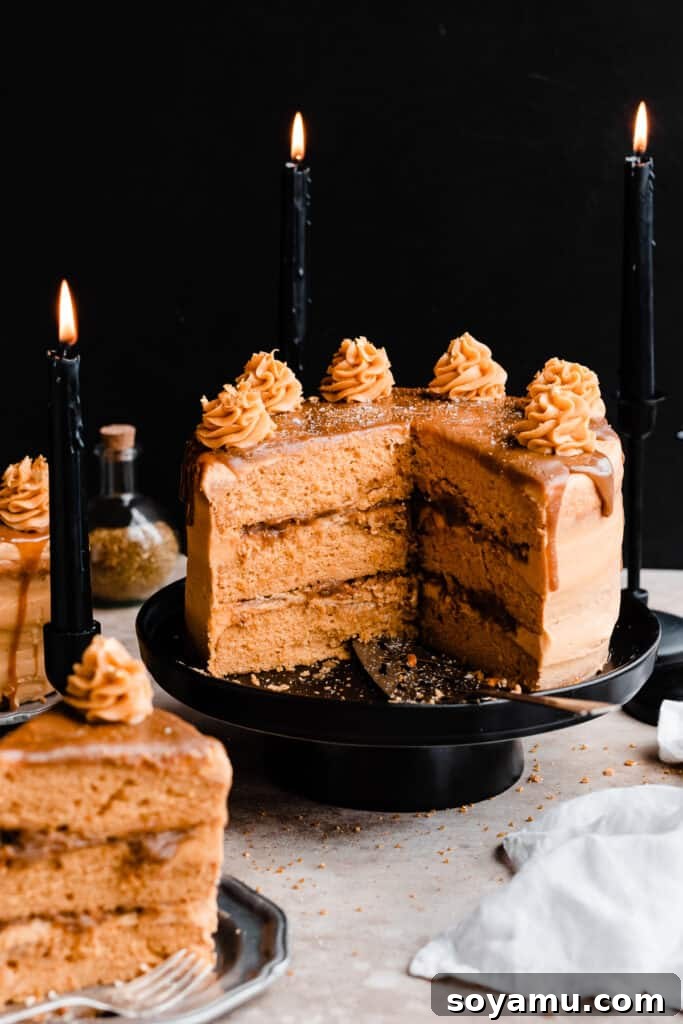
- Chilled & Thickened Indulgences: As the sauce cools to room temperature and then chills in the refrigerator, it will naturally thicken to a more viscous, spreadable consistency. This makes it absolutely perfect for use as a luxurious cake filling (think a decadent Butterscotch Cake), a rich, creamy topping for cheesecakes (it’s magical on a Butterbeer Cheesecake), or swirled into frosting for cupcakes (try it with Chocolate Cupcakes). For baking applications where structure is important, ensure the sauce is fully cooled or even chilled for the best results.
- Creative Culinary Uses Beyond Desserts: Don’t limit yourself to traditional dessert pairings! Swirl a spoonful of this rich butterscotch into your morning coffee or hot chocolate for an elevated beverage experience. Blend it into a thick milkshake for an extra layer of flavor, or even experiment with it as an intriguing base for unique cocktails, adding a sweet and complex dimension.
- Breakfast & Brunch Boost: Elevate your breakfast spread by serving butterscotch sauce alongside French toast, crepes, or oatmeal. It’s a delightful alternative to maple syrup and adds a touch of gourmet flair to any morning meal.
Storing Your Homemade Butterscotch:
- Cool Completely Before Storing: Before transferring your butterscotch sauce for storage, it is crucial to allow it to cool completely to room temperature. This prevents condensation from forming inside the container, which could affect the sauce’s texture and shelf life. Once cooled, transfer it to a clean, dry, airtight container. Glass jars with tight-fitting lids are ideal for both aesthetics and preservation.
- Refrigeration: Store any leftover homemade butterscotch sauce in the refrigerator. Properly stored in an airtight container, it will maintain its quality and freshness for approximately 1 to 2 weeks. The cold temperature will cause the sauce to thicken considerably, almost to a fudge-like consistency.
- Reheating for Warm Enjoyment: To return your chilled sauce to a warm, pourable consistency, you have a couple of easy options. For small portions, gently microwave it in 15-30 second intervals, stirring well between each interval, until it reaches your desired consistency and temperature. Alternatively, you can gently reheat it in a small saucepan over low heat on the stovetop, stirring frequently, until it becomes smooth and warm. Avoid high heat to prevent scorching.
Frequently Asked Questions About Homemade Butterscotch Sauce
Here are answers to some of the most common questions about making and enjoying your homemade butterscotch sauce, helping you troubleshoot and perfect your recipe.
Grainy butterscotch sauce is a common issue, but it’s easily preventable once you understand the culprits! This problem is most often caused by two main factors: either stirring the mixture while it’s boiling, which can introduce sugar crystals back into the solution and encourage them to grow, or skipping the crucial initial step of thoroughly dissolving the cream of tartar in water. Cream of tartar acts as a powerful anti-crystallization agent, preventing sugar molecules from clumping together. To ensure a perfectly smooth sauce, rigorously adhere to the “no-stir” rule during the boil and always properly incorporate the cream of tartar solution at the beginning.
Cream of tartar is an acidic salt that plays a critical and often underestimated role in preventing sugar crystallization in boiled sugar syrups, like butterscotch. When sugar solutions are heated and boiled, sugar molecules tend to bind together and form solid crystals, which can result in a gritty or grainy texture. The acidity of cream of tartar interferes with this natural crystallization process. It effectively breaks down larger sugar molecules into smaller, inverted sugar molecules, preventing them from forming large, noticeable crystals and ensuring your butterscotch sauce remains wonderfully smooth and silky. It’s a small ingredient with a powerful impact on achieving that desired professional-grade texture.
While both are incredibly rich, sweet, and often buttery sauces, caramel and butterscotch have distinct differences primarily in their key ingredients and flavor profiles. Butterscotch is traditionally made with dark brown sugar (which contains molasses) and butter, giving it a deeper, richer, and often slightly molasses-y or “burnt sugar” flavor profile. It has a complex sweetness with a hint of earthy undertones from the molasses. Caramel, on the other hand, is typically made with white granulated sugar, which is caramelized until it turns a deep golden brown before cream and butter are added. This gives caramel a cleaner, sometimes nuttier, pure burnt sugar taste. The initial cooking methods also often differ, with butterscotch often involving melting butter with brown sugar from the start, while caramel usually begins with melting granulated sugar separately.
While you technically can use light brown sugar, it is not recommended for achieving the best and most authentic butterscotch results. Dark brown sugar contains a significantly higher amount of molasses, which is crucial for two reasons: it contributes the characteristic rich, deep, and complex flavor that defines butterscotch, and its higher moisture content greatly aids in preventing sugar crystallization, leading to a much smoother sauce. Using light brown sugar might result in a slightly less robust flavor profile and increases the chance of your sauce becoming grainy. If dark brown sugar is truly unavailable, consider adding an extra teaspoon of blackstrap molasses along with the light brown sugar to mimic the depth of flavor.
If your cooled butterscotch sauce is too thick for your intended use (e.g., you want it pourable for ice cream), gently reheat it. You can do this in a saucepan over very low heat or in the microwave in short 15-second bursts. While warming, stir in a tablespoon or two of warm heavy cream or milk until it reaches your desired, smoother consistency. If your sauce is too thin after cooling, return it to a saucepan and gently simmer it over low heat for a few more minutes, stirring occasionally (but not vigorously if it’s boiling). This allows more water to evaporate and the sauce to concentrate and thicken. Be patient and avoid high heat to prevent scorching or further crystallization.
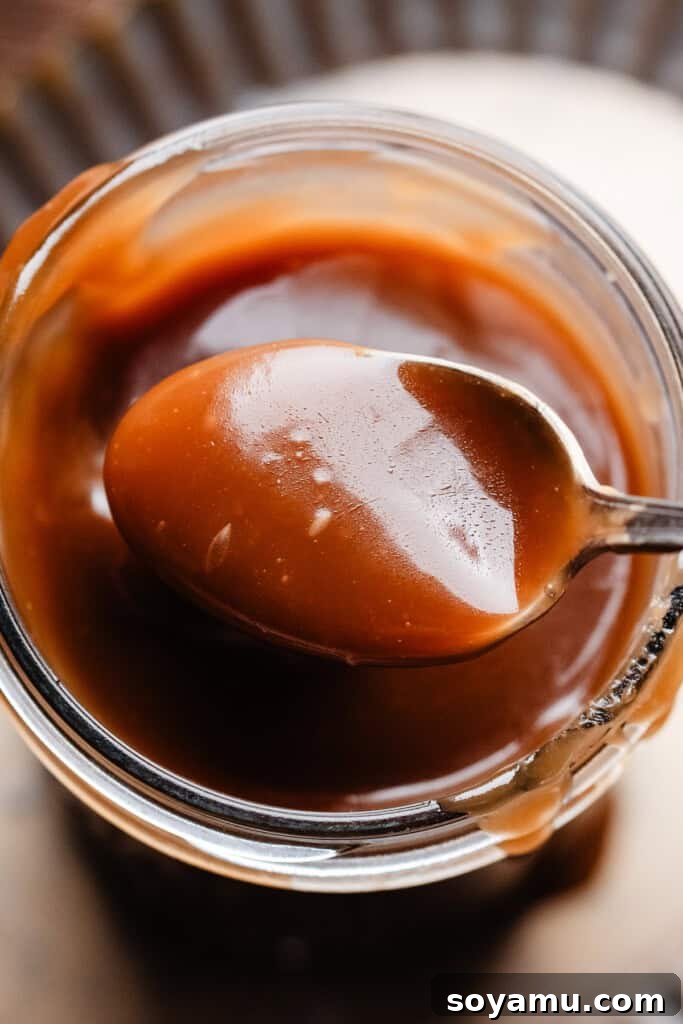
Indulgent Recipes Featuring This Homemade Butterscotch Sauce
This homemade butterscotch sauce is incredibly versatile, pairing perfectly with a wide array of desserts and elevating their flavor to new heights. Once you’ve made a batch, you’ll find endless ways to incorporate this golden luxury into your sweet creations. Here are some of our absolute favorite recipes that truly shine with the addition of this luscious sauce:
- Butterscotch Cake: Use this rich sauce as a decadent filling between fluffy cake layers, or incorporate it directly into your butterscotch frosting for an ultimate, deeply flavored butterscotch dream cake.
- Butterbeer Cheesecake: Swirl generous amounts of this sauce into the cheesecake batter before baking, or generously drizzle it over the top of the finished cheesecake for an enchanting, magical flavor experience reminiscent of the famous wizarding drink.
- Butterbeer Cookies: This sauce is an excellent addition to the frosting for these whimsical cookies, providing an extra layer of rich, authentic butterscotch flavor that perfectly complements the butterbeer theme.
- Perfect Vanilla Cake: Transform a simple yet elegant vanilla cake by utilizing this butterscotch sauce as a luxurious, pourable glaze, a moistening soak for cake layers, or a creamy filling between tiers for an unexpected burst of flavor.
- Classic Ice Cream Sundaes: The quintessential application! Warm the sauce slightly until pourable, then generously spoon it over scoops of your favorite vanilla, coffee, or butter pecan ice cream, topped with whipped cream, nuts, and a cherry for an irresistible nostalgic treat.
- Pancakes & Waffles: Ditch the ordinary maple syrup occasionally and pour this rich, warm butterscotch sauce over your breakfast favorites for a truly indulgent start to the day. It adds a gourmet touch to any stack of fluffy pancakes or crispy waffles.
Did you try this irresistible homemade butterscotch sauce recipe? We’d absolutely love to hear from you!
Please consider leaving a comment below and sharing your experience, any creative adaptations, or simply how much you enjoyed this golden treat. Your valuable feedback not only helps our small business grow but also assists other home bakers in creating their own perfect butterscotch sauce. Thank you for your continued support and happy baking!
Current Rating: 5 out of 5 stars (based on 1 vote)
10-Minute Salted Butterscotch Sauce
Stephanie Simmons
5 mins
5 mins
10 mins
12
servings
Ingredients
- 1/2 cup salted butter (113 grams)
- 1/8 tsp cream of tartar
- 1/2 tsp water
- 1 cup dark brown sugar, packed (220 grams)
- 1 cup heavy cream (240 grams)
- pinch of salt
- 1/2 tsp vanilla extract
Instructions
-
Make the Butterscotch Sauce: Melt 1/2 cup (113 grams) salted butter in a medium, heavy-bottomed saucepan over medium heat. In a small bowl, thoroughly stir 1/8 tsp cream of tartar into 1/2 tsp water until fully dissolved. Stir this solution into the melted butter, then add 1 cup (220 grams) dark brown sugar. Stir constantly until the sugar is completely dissolved. Next, stir in 1 cup (240 grams) heavy cream until fully combined and smooth.
Bring the mixture to a rolling boil and let it boil vigorously for exactly 5 minutes. During this 5-minute boiling period, it is crucial to not touch or stir it at all to prevent sugar crystallization. Once the time is up, immediately remove the saucepan from the heat and stir in a generous pinch of sea salt (adjust to your preference for a delicious salted butterscotch) and 1/2 tsp pure vanilla extract until thoroughly combined. The sauce will appear thin when hot but will thicken significantly as it cools.
-
Serve & Store: Transfer the finished butterscotch sauce to a clean jar or a heat-proof bowl and allow it to cool completely to room temperature before using or storing. Once fully cooled, store the sauce in an airtight container (glass jars with lids work best) in the refrigerator for up to 2 weeks. To enjoy it warm again, gently reheat small portions in the microwave in 15-30 second intervals, stirring well between each, or warm in a small saucepan over low heat, stirring frequently, until your desired consistency and temperature are reached. It can also be used cold as a thick, luscious filling for baked goods.
Nutrition
Serving: 1serving
,
Calories: 205kcal
,
Carbohydrates: 19g
,
Protein: 1g
,
Fat: 15g
,
Saturated Fat: 9g
,
Polyunsaturated Fat: 1g
,
Monounsaturated Fat: 4g
,
Trans Fat: 0.3g
,
Cholesterol: 43mg
,
Sodium: 71mg
,
Potassium: 51mg
,
Sugar: 18g
,
Vitamin A: 528IU
,
Vitamin C: 0.1mg
,
Calcium: 31mg
,
Iron: 0.2mg
Nutrition information is automatically calculated, so should only be used as an approximation.
Enjoy creating and indulging in your irresistible homemade butterscotch sauce!