
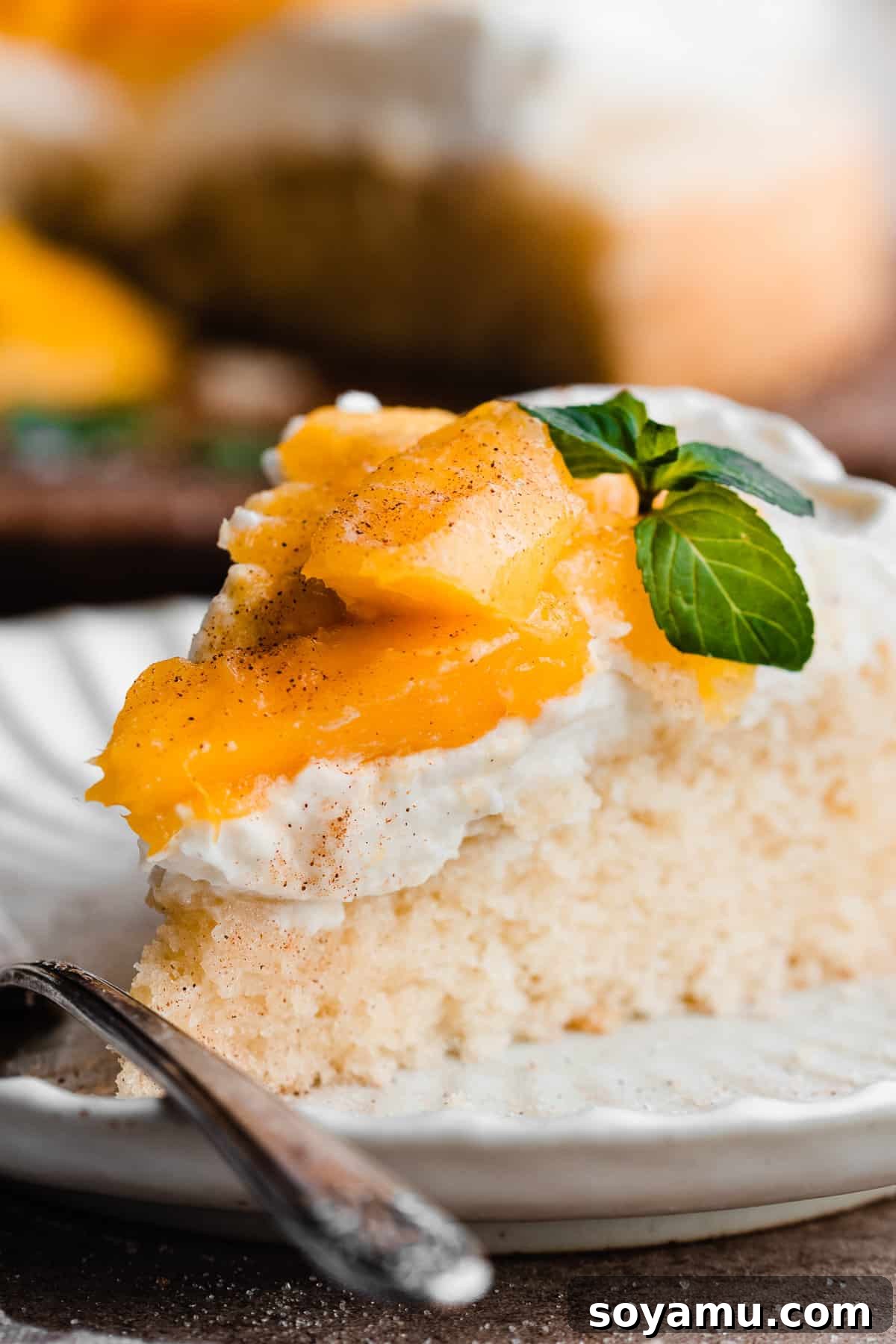
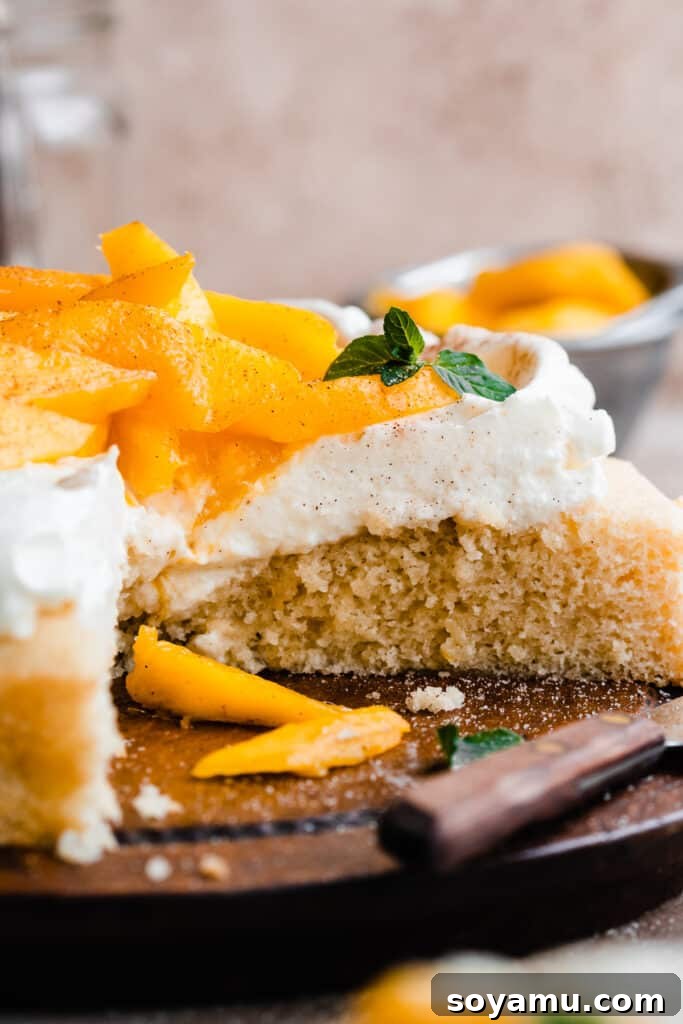
Indulge in the bright, refreshing taste of summer with this exquisite Mango Cake. This recipe masterfully combines a layer of impossibly light and fluffy vanilla cake, a cloud of pillowy homemade whipped cream, and an abundance of sweet, succulent fresh mango slices. The delicate balance of the simple yet flavorful vanilla cake and the fresh cream creates the perfect canvas, allowing the vibrant, tropical essence of the mango to truly shine through. Designed as an incredibly easy-to-make snack cake, you’ll find yourself turning to this delightful dessert again and again throughout the warmer months.
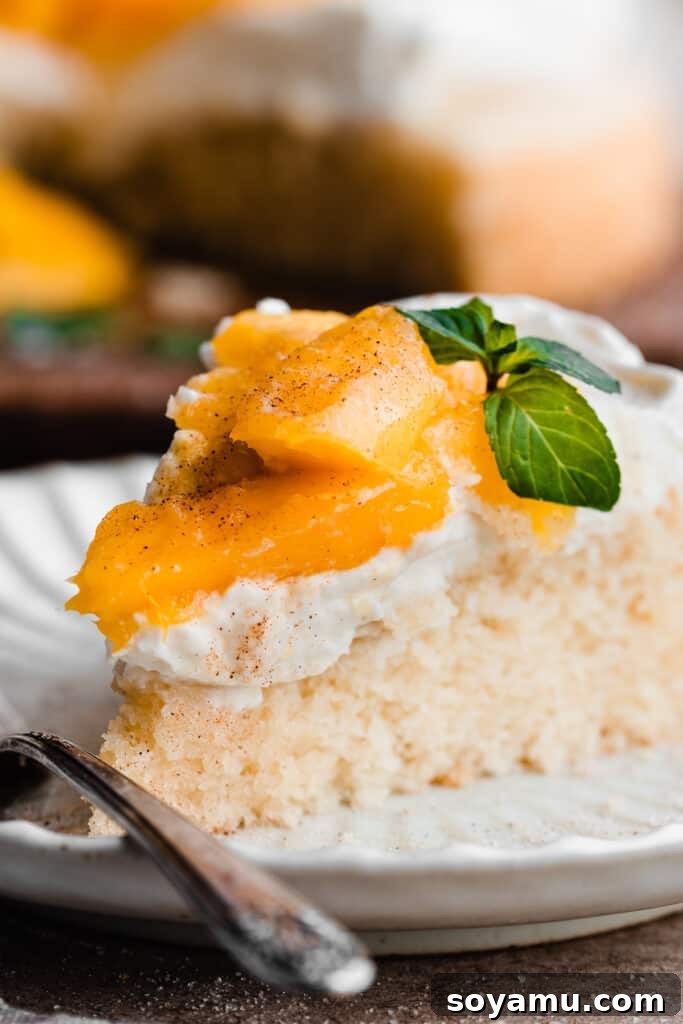
Why This Mango Cake Will Be Your New Favorite Summer Treat
This isn’t just another cake; it’s a celebration of fresh, seasonal flavors, crafted for ease and maximum enjoyment. Here’s why you’ll absolutely fall in love with this mango cake:
- Unbelievably Fluffy Vanilla Cake: Prepare to be amazed by the ethereal lightness and tender crumb of our vanilla sponge. This cake defies the notion that vanilla is boring, offering a rich, comforting flavor that’s anything but ordinary. It’s remarkably moist, staying fresh and delightful in the refrigerator for up to 5-6 days, making it perfect for enjoying over several days or for making ahead. The secret lies in a carefully balanced blend of ingredients and precise mixing techniques, resulting in a cake that’s both soft and robust enough to hold its beautiful toppings.
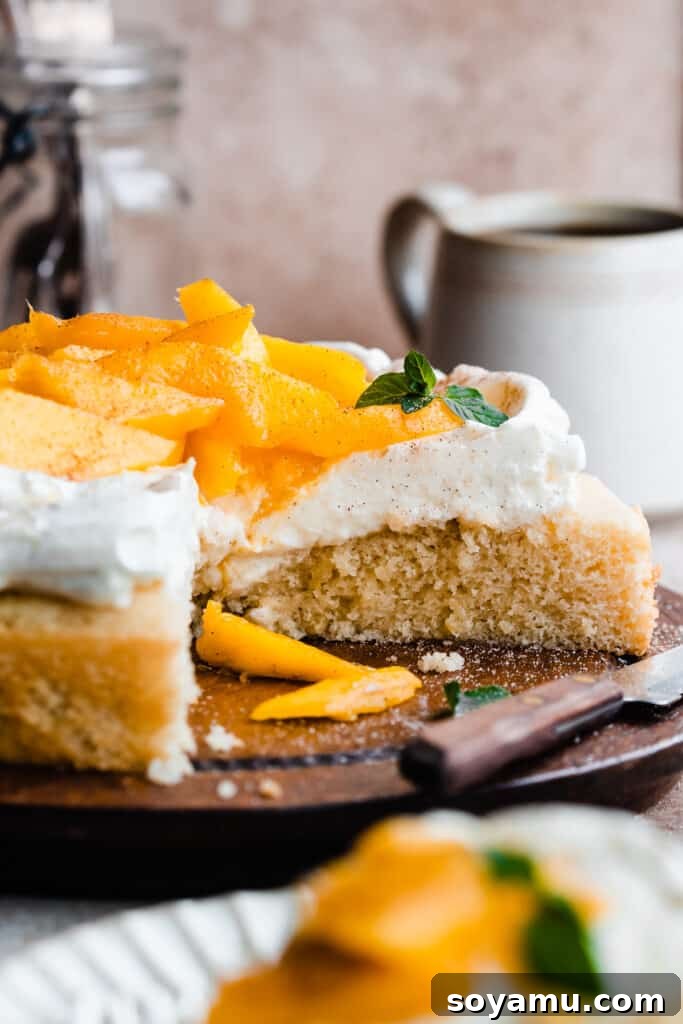
- Cloud-Like Pillowy Whipped Cream: A generous, airy layer of freshly whipped cream crowns this cake, providing a luxurious, smooth contrast to the tender sponge. This homemade whipped cream isn’t just a topping; it’s an essential component, offering a cool, creamy texture and a subtle sweetness that perfectly complements the fruit. It’s the ideal soft “blanket” for our vibrant mango slices to nestle upon, enhancing the overall sensory experience.
- Sweet, Juicy Fresh Mango Slices: The star of the show! Freshly sliced, perfectly ripe mangoes are the ultimate topping for this simple yet elegant cake. Their naturally sweet, juicy, and slightly tangy flavor profile creates a tropical explosion that harmonizes exquisitely with the basic vanilla cake and the light whipped cream. Using fresh mangoes ensures the brightest, most authentic flavor, elevating this dessert from good to absolutely unforgettable. It’s a burst of sunshine in every bite.
Key Ingredients for Your Perfect Mango Cake:
Crafting this delightful cake starts with understanding the role of each ingredient. Below is an overview of the essential components, with a reminder that detailed measurements and instructions are provided in the comprehensive recipe card at the end of this post.
- Cake Flour: For that signature light and tender crumb, cake flour is indispensable. Its lower protein content compared to all-purpose flour results in a finer, softer texture. It’s crucial to measure cake flour accurately; spooning and leveling it into your measuring cup or, even better, using a kitchen scale for precise weight (1 cup of cake flour weighs approximately 110 grams) will prevent a dense cake. Avoid scooping directly from the bag, as this can compact the flour and lead to using too much.
- Sour Cream: Full-fat sour cream, brought to room temperature, is a game-changer for moisture and tenderness. It adds a subtle tang that beautifully complements the sweetness of the cake and mango, while also contributing to the cake’s incredibly moist texture and fine crumb.
- Butter: We recommend using salted butter for an enhanced flavor depth that balances the sweetness. If you prefer unsalted, simply add a pinch more salt to the dry ingredients. Ensure your butter is softened to room temperature before baking; this is vital for creaming properly with sugar and oil, creating an emulsified batter that traps air and results in a lighter cake.
- Eggs: This recipe utilizes a specific blend of egg whites and whole eggs. Bringing them to room temperature is paramount, as they emulsify more effectively with other ingredients, leading to a smoother batter and a more uniform, tender cake structure. The protein from the eggs provides structure, while the fat contributes to richness and moisture.
- Milk: Like other cold ingredients, your milk (we use 2% for richness without being too heavy) should be at room temperature. Cold milk can cause the butter in the batter to seize, leading to a lumpy texture. Room temperature milk integrates smoothly, ensuring a consistent batter.
- Vanilla Extract: The quality of your vanilla extract significantly impacts the overall flavor of your cake. Opt for a good quality, pure vanilla extract to infuse your cake with a warm, aromatic base that pairs wonderfully with both the fresh mango and the rich cream.
- Fresh Mangoes: The star of this cake! For the best flavor and texture, select ripe mangoes from your local grocery store. You can tell a mango is ripe when it yields slightly to gentle but firm pressure, similar to a ripe peach or avocado. The skin will often transition from mostly green to displaying beautiful yellow and reddish-orange patches. While mango puree is an option in some recipes, nothing beats the incomparable taste and vibrant texture of fresh mango slices. Don’t worry about specific varieties; whether it’s the sweet Alphonso, the fiber-free Honey (Ataulfo), or the common Kent and Tommy Atkins varieties, any ripe mango will be delicious.
Helpful Ingredient Substitutions and Variations:
While the recipe is perfected with the ingredients listed, here are some common questions and possible adjustments:
- Dairy-Free Alternatives: A dairy-free version of this cake has not been extensively tested. However, you might explore using plant-based butter, sour cream alternatives (like full-fat coconut cream or dairy-free yogurt), and plant-based milk. Please note that results may vary in terms of texture and flavor.
- Gluten-Free Adaptation: Similarly, a gluten-free version has not been fully tested. If attempting, use a high-quality 1:1 gluten-free baking flour blend that contains xanthan gum. Be aware that the texture might be slightly different.
- Other Fruit Options: This cake base is incredibly versatile! For other fruit ideas, check out the “Recipe Variations” section later in this post. Sliced peaches, plums, or a mix of berries would be fantastic.
- Homemade Cake Flour Substitute: No cake flour on hand? No problem! You can easily make your own. For every cup of all-purpose flour required, spoon and level 1 cup of all-purpose flour into a measuring cup. Then, remove two tablespoons of the flour. Replace these two tablespoons with two tablespoons of cornstarch. Sift this mixture twice to ensure the cornstarch is evenly distributed and the mixture is aerated, mimicking the fine texture of commercial cake flour. This step is crucial for achieving that signature light crumb.
Crafting Your Delicious Mango Cake: A Step-by-Step Guide
Creating this beautiful cake is a straightforward process, even for novice bakers. Follow these simple steps for a perfect result every time:
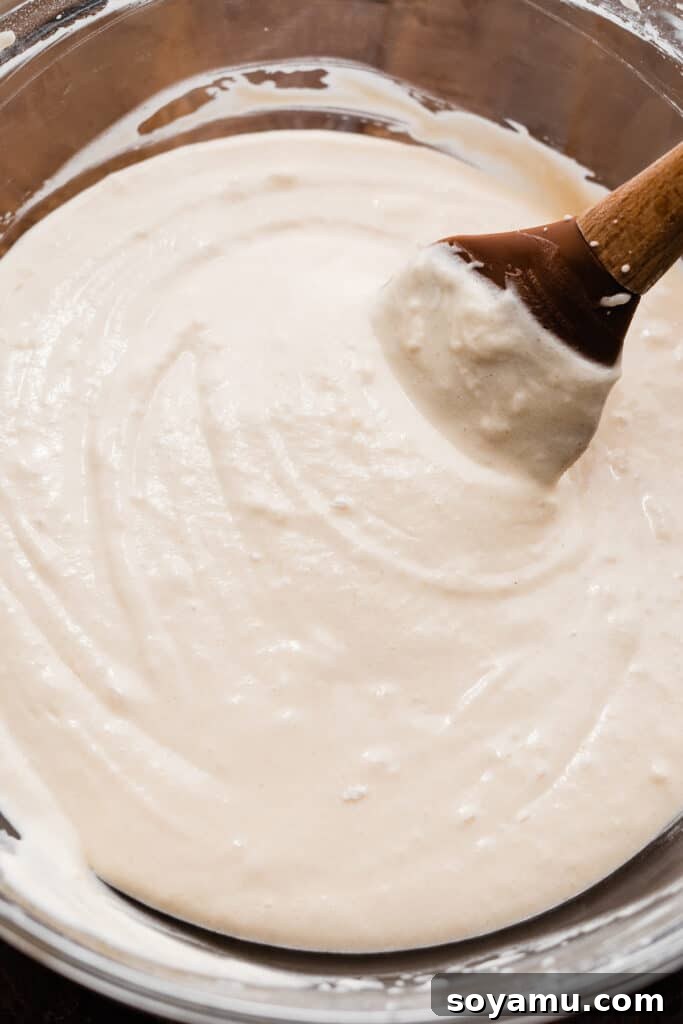
Step 1: Prepare the Fluffy Cake Batter. Begin by ensuring all your wet ingredients are at room temperature. In a large mixing bowl, cream together the softened butter and vegetable oil until light and fluffy. This aeration is key for a tender cake. Next, gradually beat in the granulated sugar until the mixture is pale and voluminous. Incorporate the large egg, pure vanilla extract, and full-fat sour cream, mixing until just combined. In a separate bowl, whisk together your dry ingredients (cake flour, baking powder, baking soda, and salt). With your mixer on low speed, slowly add half of the dry ingredients to the wet mixture, mixing until just a few streaks of flour remain. Pour in the room temperature milk, mixing gently, and then add the remaining dry ingredients. Be careful not to overmix the batter; mix only until the last streaks of flour disappear, then use a spatula to fold in any remaining dry bits from the sides of the bowl. Overmixing can develop the gluten too much, leading to a tough cake.
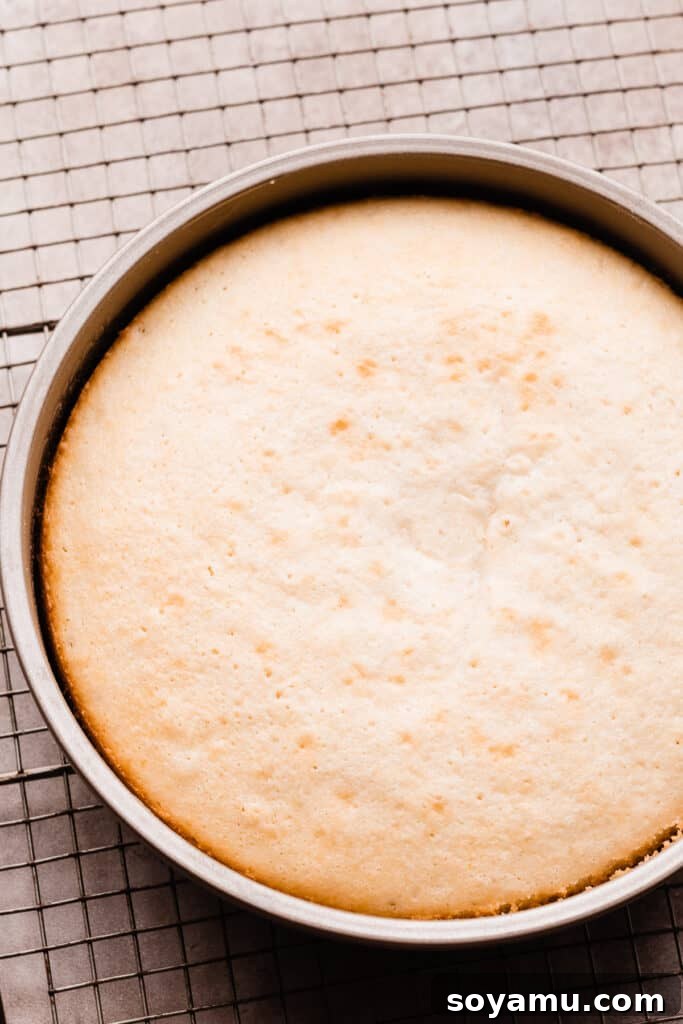
Step 2: Bake to Golden Perfection. Prepare your cake tin by greasing it thoroughly and lining the bottom with parchment paper for easy release. Pour the prepared cake batter evenly into the pan. Bake in a preheated oven at the temperature specified in the recipe card below. The cake is done when a toothpick inserted into the center comes out with moist crumbs, and the center no longer jiggles when you gently shake the pan. Once baked, allow the cake to cool in the pan on a wire rack for about 10-15 minutes before inverting it onto the cooling rack to cool completely. It is crucial for the cake to be entirely cool before adding the whipped cream and mangoes, otherwise, the cream will melt.
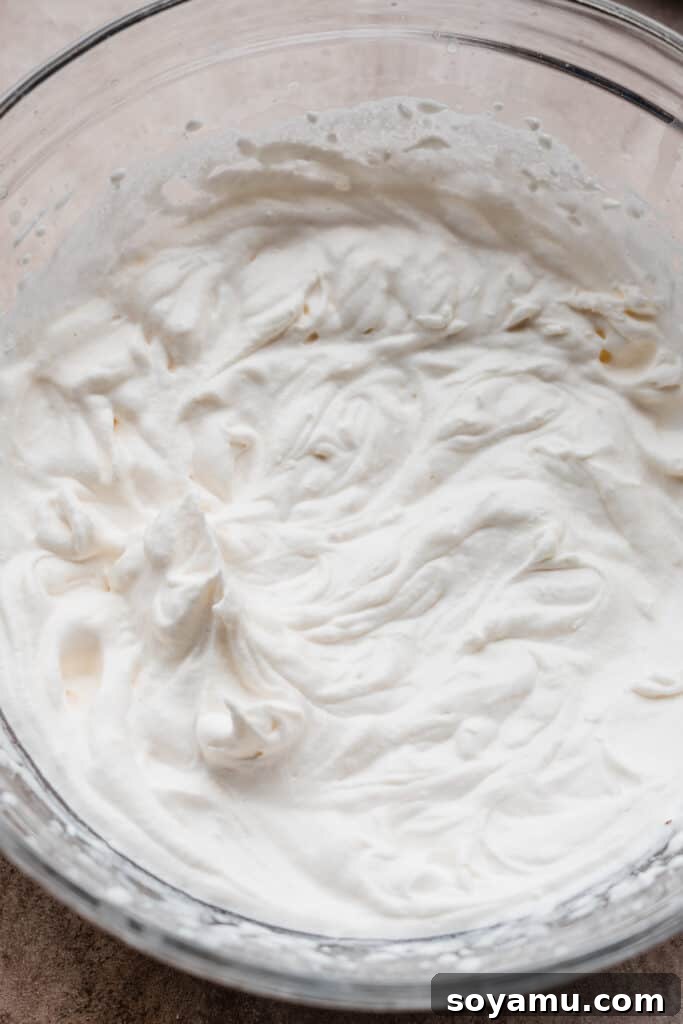
Step 3: Whip Up the Creamy Topping. In a separate, chilled large mixing bowl, combine the very cold heavy cream, powdered sugar, and pure vanilla extract. Using an electric mixer (either hand-held or stand mixer), beat the mixture on medium-high speed until stiff peaks form. Be careful not to over-whip, as this can turn the cream grainy. The cream should be light, airy, and hold its shape beautifully. For best results, chill your mixing bowl and whisk attachment in the freezer for 10-15 minutes before whipping.
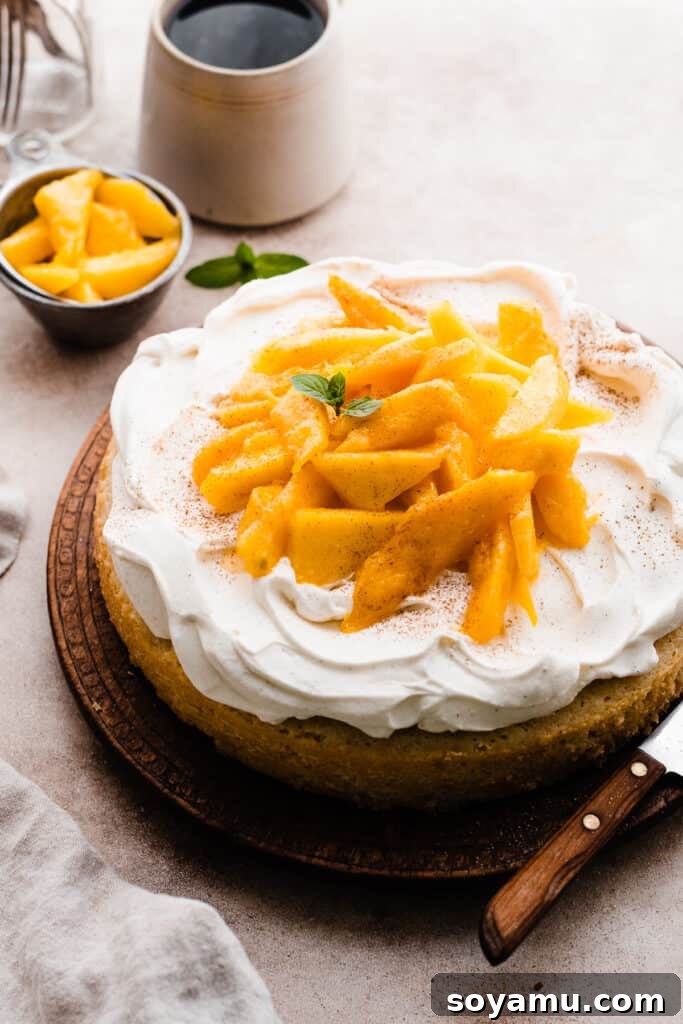
Step 4: Prepare Mangoes and Assemble Your Masterpiece. Carefully peel your ripe mangoes and slice them into beautiful, juicy pieces. You can find detailed tips on peeling and slicing mangoes in the “Expert Success Tips” section or even online videos. Taste a slice; if your mangoes aren’t quite as sweet as you’d like, you can toss the slices with 1-2 teaspoons of granulated sugar in a small bowl to enhance their flavor. Once the cake is completely cool, dollop the freshly whipped cream onto the center. Gently spread the cream towards the edges with an offset spatula, creating elegant, inviting swoops and peaks. Arrange the sliced mangoes artfully over the cream, letting their vibrant color stand out. For an extra touch of warmth and flavor, a light sprinkle of cinnamon is an optional but highly recommended addition. Slice your magnificent mango cake and enjoy immediately!
Serving Your Mango Cake & Storing Leftovers:
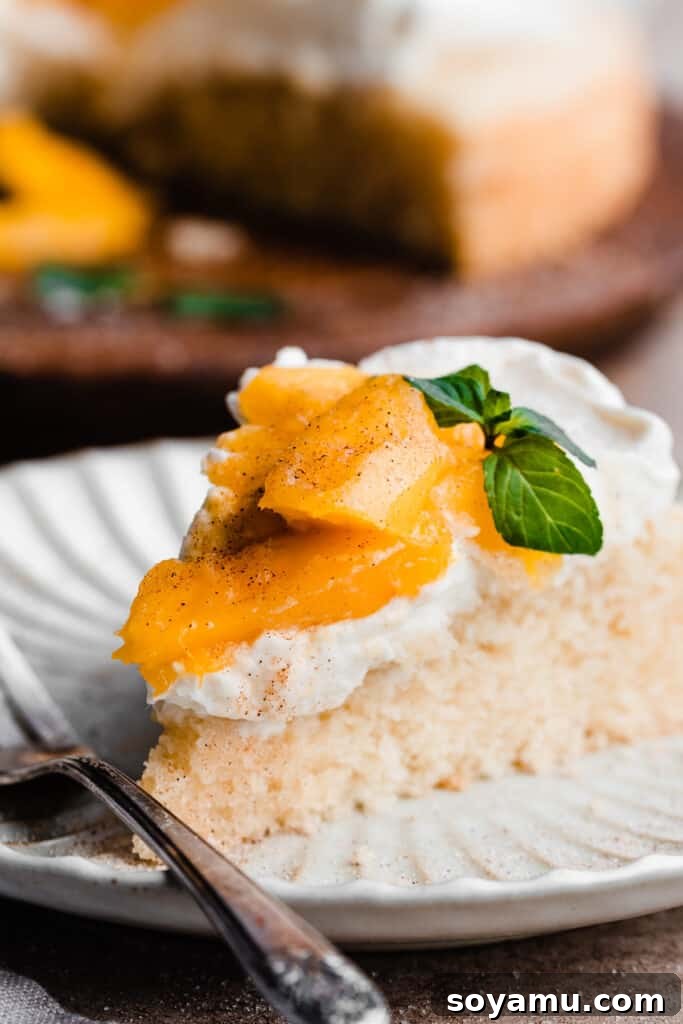
For the freshest and most delightful experience, this mango cake is best sliced and served immediately after assembly. If you prefer a slightly firmer set for the cream, you can chill the assembled cake in the refrigerator for about 30 minutes before serving. However, we highly recommend assembling the cake on the day of serving, rather than a day ahead, to ensure the whipped cream remains fresh and fluffy and the mangoes are at their peak juicy texture.
This cake is incredibly versatile and pairs wonderfully with other treats. For an extra special indulgence, consider serving a slice with a scoop of premium vanilla bean ice cream or a drizzle of passion fruit coulis. Any leftovers should be stored in an airtight container in the refrigerator to maintain freshness. It will remain delicious for 3-4 days, though the mangoes are best within the first day or two.
Expert Tips for a Flawless Mango Cake:
Achieving baking success often comes down to a few key techniques and tools. Here are our expert tips to ensure your mango cake turns out perfectly every time:
- Invest in an Oven Thermometer: Many home ovens are not calibrated accurately, meaning the temperature you set might not be the actual temperature inside. An inexpensive oven thermometer is a crucial tool for any baker. Keeping one in your oven at all times allows you to monitor its true temperature, ensuring your cake bakes evenly and correctly, preventing issues like uneven rising or over/under-baking.
- Embrace the Kitchen Scale: For consistent and professional baking results, a digital kitchen scale is invaluable. Measuring ingredients, especially flour, by weight rather than volume (cups) eliminates inconsistencies caused by varying packing densities and measuring cup designs. Flour measurements can differ widely, and even a slight difference can impact the cake’s texture significantly.
- Room Temperature Ingredients are Non-Negotiable: Butter, eggs, sour cream, and milk all need to be at room temperature. This isn’t just a suggestion; it’s a critical step. Room temperature ingredients emulsify much more effectively, creating a smooth, homogenous batter that traps air more efficiently. This leads to a lighter, more tender, and evenly textured cake. Plan ahead by taking them out of the refrigerator an hour or two before you begin baking.
- Do Not Overmix the Batter: Once you add the flour to the wet ingredients, mix only until the dry ingredients are just incorporated. Overmixing develops the gluten in the flour, resulting in a tough, chewy cake rather than a tender, fluffy one. A few small streaks of flour are acceptable before the final fold with a spatula.
- Proper Pan Preparation: To ensure your beautiful cake releases cleanly from the pan, always grease your cake tin thoroughly with shortening or butter, then dust it with flour. For added security, especially with delicate cakes, cut a round of parchment paper to fit the bottom of the pan and grease it again. This creates a non-stick barrier that prevents sticking.
- Choosing the Perfect Mangoes: Beyond just firmness, a ripe mango will often have a sweet, fruity aroma emanating from its stem end. This is a great indicator of ripeness and flavor potential. Avoid mangoes with bruised or overly soft spots.
Frequently Asked Questions About This Mango Cake:
You can certainly prepare the cake layer in advance. Once baked and completely cooled, wrap it securely in plastic wrap and store it at room temperature for up to 24 hours, or in the refrigerator for up to 3 days. However, for optimal freshness and texture, the whipped cream and mango slices are best prepared and added just before serving. This ensures the cream is light and fluffy, and the mangoes are vibrant and juicy.
A dense cake is usually a result of improper flour measurement or overmixing the batter. Ensure you are spooning and leveling your cake flour or, ideally, weighing it with a kitchen scale to avoid using too much. Also, it’s critical to beat the butter and sugar for the specified duration and speed to incorporate enough air, and then to mix the subsequent ingredients only until just combined, especially after adding the flour. Overmixing develops gluten, which leads to a tough, dense texture.
There are a few effective methods. One popular technique involves using a sharp paring knife to carefully peel the skin, much like peeling an apple. Alternatively, you can slice the mango on either side of the large, flat seed in the middle, creating two large “cheeks.” Then, score the flesh of each cheek in a crosshatch pattern (without cutting through the skin), and gently push the skin side up to invert the mango, revealing cubes of flesh which you can then slice off. Another simple method for the cheeks is to use the rim of a drinking glass: hold the mango cheek with the skin side facing you, and push the flesh down against the rim of the glass, letting the rim separate the peel from the fruit in one smooth motion.
Absolutely! This recipe doubles beautifully. You can easily scale up the ingredients to create a stunning two-layer cake, complete with luscious whipped cream and fresh fruit filling between the layers and generously piled on top. For visual inspiration on a layered fruit cake, you can refer to our Berries & Cream Cake recipe.
Exciting Recipe Variations to Try:
While this mango cake is perfect as is, it also serves as a fantastic base for creativity in the kitchen. Here are some delightful variations you might consider:
- Explore Other Fresh Fruits: The tender vanilla cake and light whipped cream provide a neutral yet flavorful backdrop for almost any fresh fruit. Feel free to swap out mangoes for other seasonal favorites. Try perfectly ripe sliced peaches or plums for a stone fruit delight. A medley of fresh berries (strawberries, blueberries, raspberries) would also be spectacular. For a different texture, you could even use one of our homemade fruit compotes, such as our quick 10-Minute Strawberry Compote or our delicious Easy Homemade Blueberry Sauce for an intensely fruity topping.
- Alternative Frostings: While the light and airy whipped cream beautifully complements the cake’s simplicity and tropical theme, you might prefer a different frosting. For a richer, more decadent option, a vanilla buttercream or even a cream cheese frosting would be divine. If opting for a cream cheese frosting, we suggest using about a quarter of the recipe for the frosting found in our Perfect White Birthday Cake to achieve a similar light and not-too-sweet balance. Keep in mind that a heavier frosting will change the overall profile, making it a more substantial dessert.
Discover More Easy Cake Recipes to Cherish:
- Berries & Cream Cake: Another simple, seasonal delight that highlights fresh fruit.
- Caramel Apple Crumb Cake: A comforting fall favorite with warm spices and a delightful crumb topping.
- Blueberry Lemon Coffee Cake: Perfect for brunch or an afternoon treat, bursting with tangy lemon and juicy blueberries.
- Strawberry Shortcake Icebox Cake (no-bake!): An incredibly easy, no-bake option for hot days.
- Mini Chocolate Cake: A fudgy chocolate indulgence, perfect for smaller gatherings or when a full cake is too much.
Did you try this irresistible Mango Cake recipe? We would love to hear from you!
Please take a moment to leave a comment and a star rating in the recipe card below. Your feedback helps us immensely and supports our small business in creating more delicious recipes for you!
Mango Snack Cake
Pin Recipe
Print Recipe
Ingredients
For the Cake:
- 1 cup + 3 tbsp cake flour, spooned & leveled (128 grams)
- 1 tsp baking powder
- 1/4 tsp baking soda
- 1/4 tsp salt
- 4 tbsp salted butter, softened at room temperature (57 grams)
- 3 tbsp vegetable oil (27 grams)
- 3/4 cup + 2 tbsp granulated sugar (184 grams)
- 1 large egg, at room temperature
- 2 tsp vanilla extract
- 1/4 cup sour cream, at room temperature (60 grams)
- 1/2 cup milk, at room temperature (we used 2%, 120 mL)
For the Whipped Cream:
- 1 cup cold heavy cream (240 mL)
- 1/4 cup powdered sugar (29 grams)
- 2 tsp vanilla extract
For the Mangoes:
- 2 large ripe mangoes, peeled & sliced
- 1-2 tsp granulated sugar, optional
- pinch of cinnamon, optional
Unit system: US Customary / Metric (For informational purposes)
Instructions
-
Prep the Pan & Preheat: Rub shortening all over the inside of a 9-inch cake pan, ensuring it’s evenly coated. Cut a round of parchment paper to fit perfectly inside the bottom of the pan, then place it on top of the greased pan bottom. Grease over the parchment paper as well. Add a handful of flour to the pan, then tap the pan around to coat the inside with flour, tapping out any excess. Preheat your oven to 350℉ (175°C).
-
Combine Dry Ingredients: In a small bowl, whisk together the dry ingredients: cake flour, baking powder, baking soda, and salt. Ensure they are well combined.
-
Prepare Wet Ingredients & Finish Batter: In a large mixing bowl, cream the softened butter with an electric hand mixer for about 30 seconds until it’s creamy and smooth. Add the vegetable oil and continue to cream it together with the butter for another 1 minute, ensuring a uniform mixture. Add the granulated sugar and beat on high speed for 2 full minutes until the mixture is light, pale, and fluffy. Beat in the large egg on medium-high speed for 45 seconds. Incorporate the sour cream and vanilla extract, mixing on medium-low speed until they are just combined. Gradually add half of the dry ingredients to the wet mixture with the mixer running on low speed. Once mostly incorporated, add the milk (even if a few streaks of flour remain). When the milk is almost mixed in, add the remaining dry ingredients. As soon as just a few streaks of flour remain, turn off the mixer and use a spatula to gently fold and ensure everything is fully combined, being careful not to overmix.
-
Bake the Cake: Pour the prepared batter evenly into your greased and floured cake pan. Bake for 18-23 minutes, or until a toothpick inserted into the center comes out with moist crumbs and the cake no longer jiggles in the center when the pan is gently moved. Allow the cake to cool in the pan on a wire rack for 10 minutes before carefully inverting it onto a cooling rack to cool completely.
-
Make the Whipped Cream: In a large bowl (preferably chilled), combine the cold heavy cream, powdered sugar, and vanilla extract. Beat on medium-high speed until stiff peaks form. Alternatively, if using a food processor, pulse 6-7 times, then mix on high until you achieve thick, fluffy cream. Stop mixing as soon as stiff peaks are formed to prevent over-whipping.
-
Prepare the Mangoes: Peel and slice the ripe mangoes (refer to the blog post tips on how to do this easily). Taste a slice of mango; if desired, toss the sliced mangoes with 1-2 teaspoons of granulated sugar in a small bowl to enhance their sweetness.
-
Assemble & Serve: Once the cake is completely cool, dollop the freshly whipped cream into the center of the cake. Gently spread it towards the edges using an offset spatula, creating elegant swoops and peaks. Artfully arrange the sliced mangoes and any accumulated juices over the top of the cream. For an optional touch, sprinkle a pinch of cinnamon over the mangoes. Slice and enjoy your delightful mango cake immediately! Store any leftovers in an airtight container in the refrigerator for 3-4 days.
Nutrition Facts
Calories: 403kcal
Carbohydrates: 44g
Protein: 5g
Fat: 24g
Saturated Fat: 12g
Polyunsaturated Fat: 4g
Monounsaturated Fat: 6g
Trans Fat: 0.2g
Cholesterol: 76mg
Sodium: 225mg
Potassium: 176mg
Fiber: 1g
Sugar: 32g
Vitamin A: 1254IU
Vitamin C: 19mg
Calcium: 89mg
Iron: 0.4mg
Nutrition information is automatically calculated and should only be used as an approximation.
Enjoyed this recipe? Share your thoughts!
Leave a comment below and let us know how your Mango Cake turned out. Your feedback is truly appreciated!