
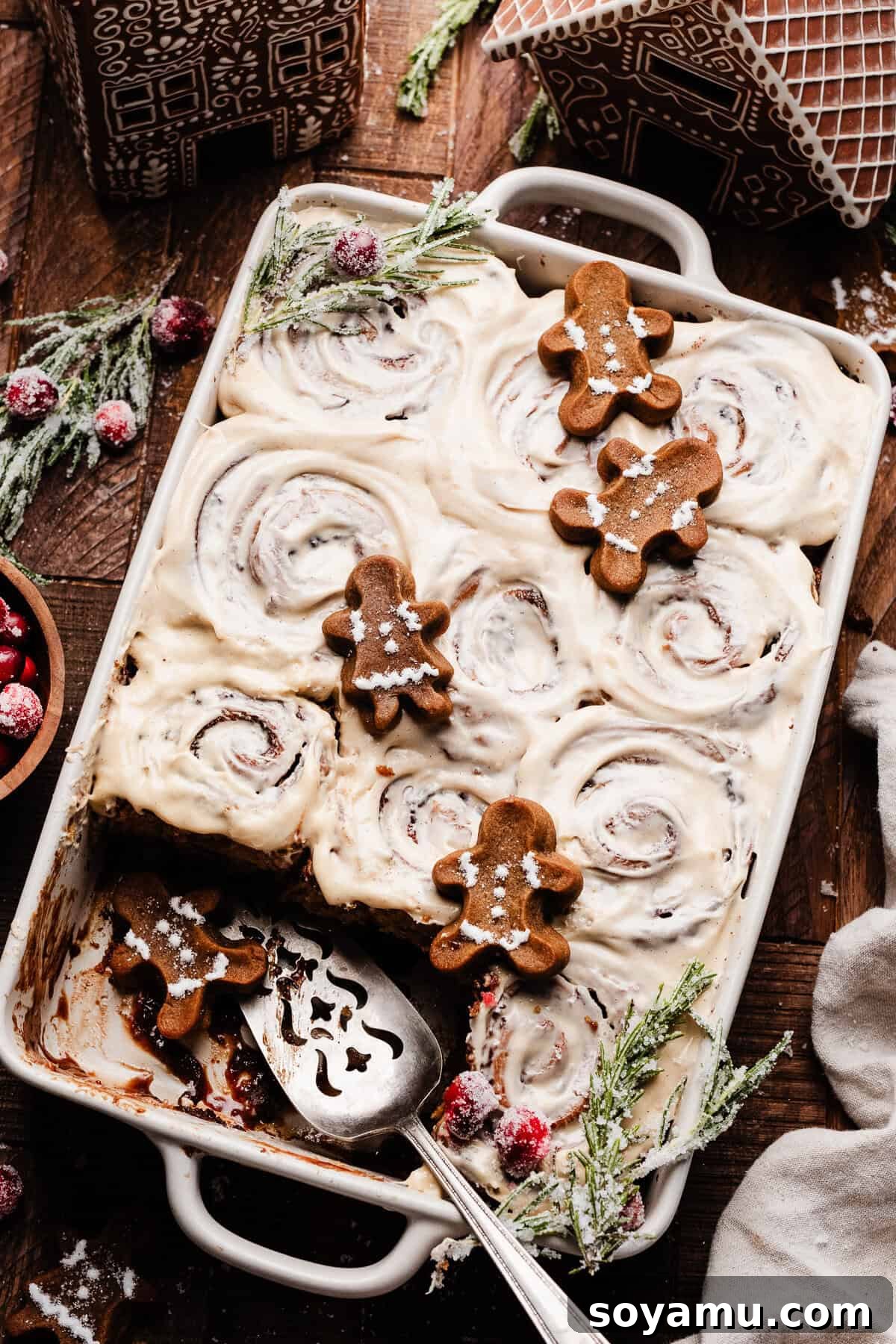
Gingerbread Cinnamon Rolls are the epitome of holiday baking, transforming any morning into a festive celebration. Imagine waking up to the aroma of warm spices, then indulging in soft, pillowy rolls with irresistible gooey centers. This recipe takes the classic cinnamon roll to an entirely new level by infusing both the dough and the rich filling with the comforting flavors of molasses and gingerbread spices. For an extra special touch, an optional layer of bright cranberry jam adds a delightful tang, perfectly complementing the sweetness. Crowned with a luxurious, silky cream cheese frosting, these gingerbread cinnamon rolls are so decadent, they’ll make you forget any other brunch dish exists!
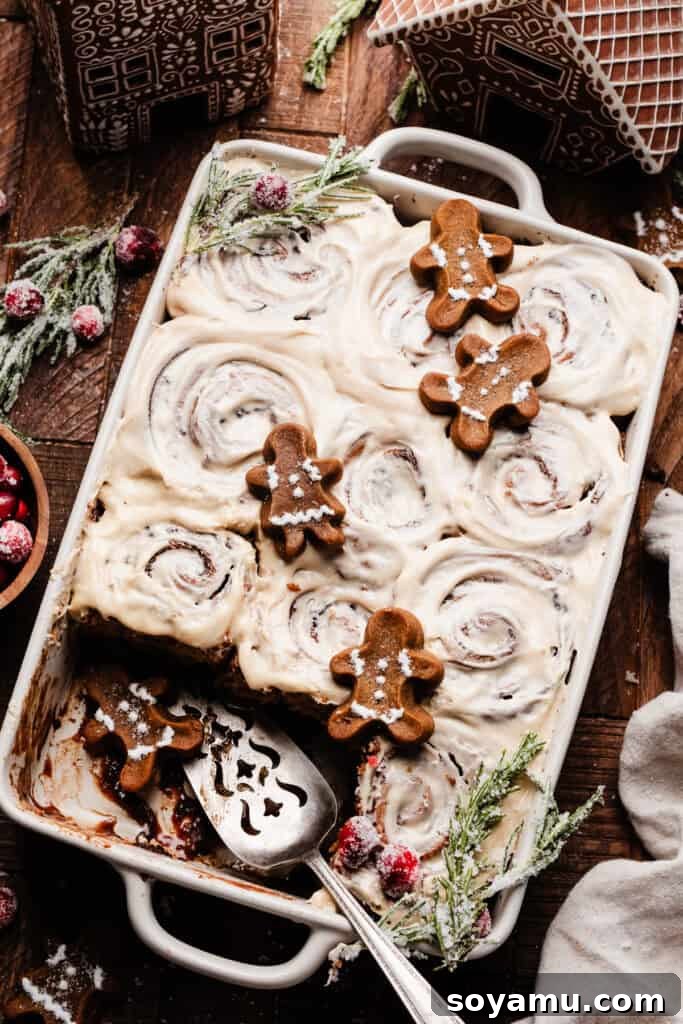
There’s truly nothing more comforting than a fresh pan of soft, warm, and utterly pillowy cinnamon rolls, especially during the festive holiday season. For me, gingerbread holds a special place, much like pumpkin spice does for many others – I simply can’t get enough of it! From gingerbread tea and coffee to French toast, pancakes, cookies, and these incredible cinnamon rolls, I embrace gingerbread in every form, every single day! This recipe is a culmination of that passion, designed to bring that same joy and warmth to your home.
Why You’ll Fall in Love with These Gingerbread Cinnamon Rolls
These aren’t just any cinnamon rolls; they are a festive masterpiece designed to create lasting holiday memories. Here’s why this recipe will become your new holiday tradition:
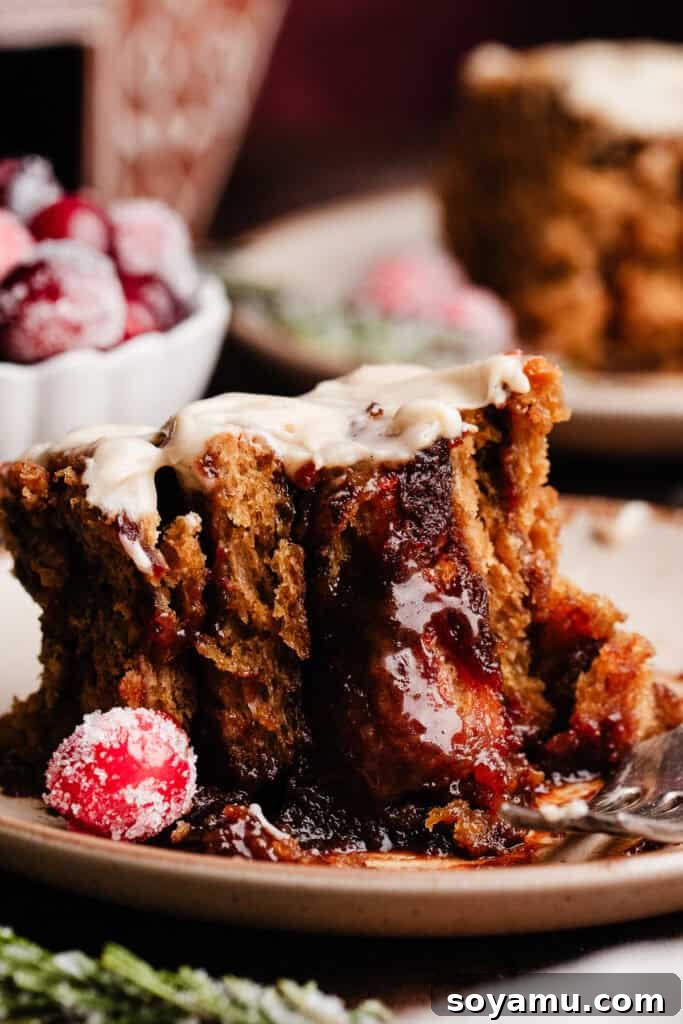
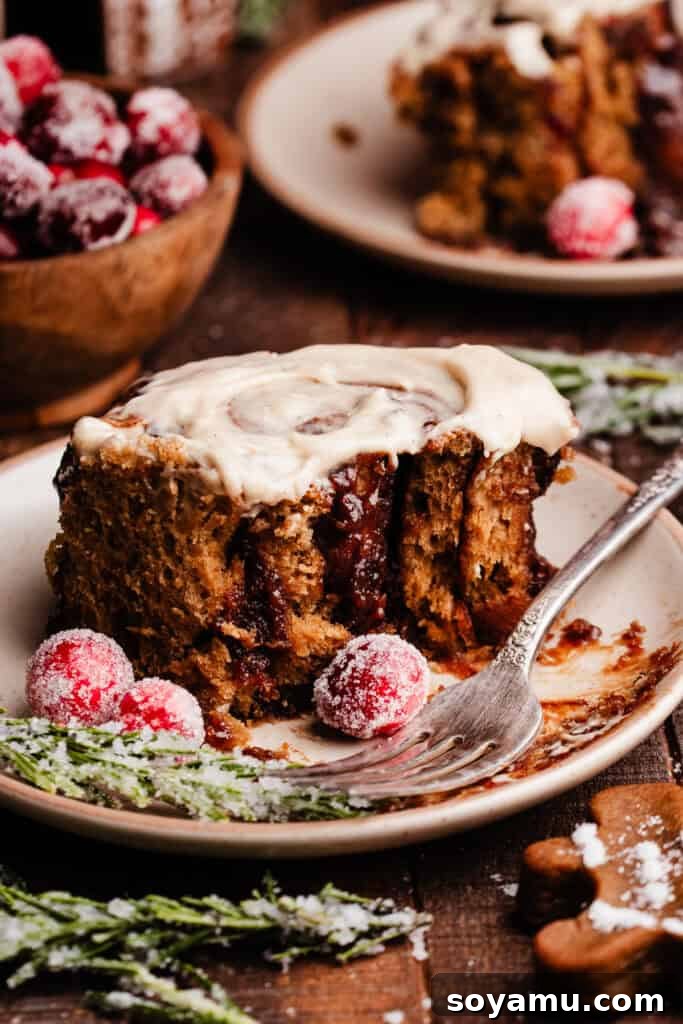
- Authentic Gingerbread Flavor in Every Bite: What sets these rolls apart is our commitment to a deeply authentic gingerbread experience. Unlike many recipes that only flavor the filling, we generously incorporate rich molasses and a harmonious blend of gingerbread spices directly into the dough itself. This ensures that every tender strand of dough, every chewy spiral, and every gooey pocket bursts with that unmistakable, warm, and inviting gingerbread taste. It’s a truly immersive flavor experience from start to finish.
- Optional Burst of Bright Cranberry: For those who love a sophisticated twist, a layer of tart cranberry jam can be added to the filling. This optional addition introduces a vibrant, fruity counterpoint to the warm spices and deep molasses, creating a delightful flavor complexity that truly elevates the rolls. The cranberry cuts through the sweetness, offering a refreshing zest with every mouthful.
- Decadent Silky Cream Cheese Frosting: No cinnamon roll is complete without a generous slather of frosting, and ours is no exception. Our cream cheese frosting is not just sweet; it’s incredibly silky, smooth, and perfectly balanced. It provides a creamy, tangy finish that melts into the warm rolls, creating a luscious texture and adding another layer of irresistible flavor. It’s the perfect crowning glory for these holiday treats.
- Perfect for Holiday Brunch & Entertaining: Whether you’re hosting a festive brunch, looking for a cozy Christmas morning treat, or simply want to impress your guests, these gingerbread cinnamon rolls are a showstopper. Their impressive appearance and incredible flavor make them an ideal centerpiece for any holiday gathering.
- Easier Than You Think: While they look elaborate, our detailed instructions break down the process into manageable steps, making them achievable for even novice bakers. The result is a rewarding baking experience that yields professional-quality results right in your home kitchen.
Ingredient Essentials for Perfect Gingerbread Rolls
Crafting the perfect gingerbread cinnamon roll starts with understanding each ingredient’s role. Below is an overview of the key components you’ll need. For precise measurements and step-by-step instructions, please refer to the comprehensive recipe card at the bottom of this page. You can easily navigate there using the table of contents located below the first image.
- Instant Yeast: We opt for instant yeast, sometimes labeled as rapid-rise or quick-rise yeast, to streamline the baking process. Unlike active dry yeast, instant yeast does not require prior proofing in liquid, saving you a valuable step. Simply mix it directly with your other dough ingredients. This ensures a reliable and efficient rise, giving you soft, airy rolls.
- All-Purpose Flour: The foundation of our tender dough is good quality all-purpose flour. For the most accurate results and to prevent a dry, dense outcome, always measure your flour correctly. Spoon the flour into your measuring cup, then level it off with a flat utensil. Alternatively, for professional precision, use a digital kitchen scale to weigh your flour (recommended for consistent results). There’s no need to seek out specialty bread flour for this recipe; regular all-purpose flour works beautifully.
- Milk: Milk is crucial for creating a soft and enriched dough. While 2% milk was used in testing, you can confidently use any type of milk you have on hand – whole milk, skim milk, or even a non-dairy alternative will work, though results may vary slightly in richness. Ensure it’s warmed to the specified temperature to properly activate the yeast.
- Molasses: This dark, viscous sweetener is the heart of our gingerbread flavor. You’ll find it in the baking aisle. It’s imperative to use full-flavor molasses, not blackstrap molasses. Blackstrap has a much stronger, more bitter profile that will significantly alter the taste of your rolls in an undesirable way. Brands like Brer Rabbit offer different varieties; always choose “full flavor” for that classic, deep gingerbread sweetness and aroma. If you are a molasses enthusiast, be sure to explore our Chewy Molasses Cookies too!
- Eggs: Large eggs, brought to room temperature, contribute to the dough’s richness, structure, and beautiful golden hue. Room temperature eggs emulsify better with other ingredients, leading to a smoother, more uniform dough and an improved rise.
- Butter: Salted butter is our preferred choice for its ability to enhance the overall flavor profile of these rolls, adding a wonderful depth of taste to both the dough and the fillings. However, if unsalted butter is your preference or what you have available, feel free to use it; just be mindful to adjust the salt content slightly to taste. Ensure butter for the dough is melted and for the fillings, softened.
- Cream Cheese: For the ultimate silky frosting, block-style cream cheese is recommended. Its firm texture yields a richer, thicker frosting. However, for frosting, the cream cheese from a tub can also work in a pinch, though the consistency might be slightly softer. Ensure it is softened to room temperature for a smooth, lump-free frosting.
- Spices: A blend of ground cinnamon, ginger, nutmeg, and cloves brings the quintessential gingerbread warmth. Freshly ground spices will offer the most potent and aromatic flavor.
- Brown Sugar: Dark brown sugar, specifically, adds moisture and a deeper caramel-like sweetness to the filling, complementing the molasses perfectly.
Recipe Substitutions & Creative Variations
While this recipe is carefully crafted to deliver the ultimate gingerbread cinnamon roll experience, here are some considerations for substitutions and variations:
- Gluten-Free/Dairy-Free Alternatives: Unfortunately, a tested gluten-free or dairy-free version of this specific recipe is not available at this time. Adapting yeast-based doughs for these dietary needs can be complex and often requires significant adjustments to flour ratios and liquid content. Experimentation with gluten-free flour blends and dairy-free milk/butter alternatives might be possible, but results cannot be guaranteed without dedicated testing.
- Molasses Preferences: If molasses is not to your taste, or if you’re looking for a different flavor profile altogether, this recipe’s gingerbread essence heavily relies on it. In this case, we highly recommend trying our Incredible Gooey Cinnamon Rolls for a classic, equally delicious alternative that focuses on traditional cinnamon flavors.
- Nut-Free: This recipe is naturally nut-free, making it a safe option for those with nut allergies.
- Spice Adjustments: Feel free to adjust the quantity of the gingerbread spices (cinnamon, ginger, nutmeg, cloves) to match your preference. If you prefer a stronger ginger kick, add a little extra. If you enjoy a milder spice, slightly reduce the amounts.
- Jam Flavor: While cranberry jam offers a fantastic tart contrast, you could experiment with other fruit jams like raspberry or orange marmalade for a different fruity twist. Ensure the jam is not too runny.
- Add-ins for Filling: Consider adding finely chopped pecans or walnuts to the filling for a textural contrast and nutty flavor. A sprinkle of orange zest could also brighten the overall taste.
Mastering the Art of Gingerbread Cinnamon Rolls: A Step-by-Step Guide
Creating these magnificent gingerbread cinnamon rolls is a rewarding process. Follow these detailed steps to ensure every roll turns out perfectly soft, gooey, and bursting with flavor.
Step 1: Craft the Flavorful Dough
In the bowl of your stand mixer, combine the melted butter, warm milk, beaten eggs, molasses, granulated sugar, instant yeast, cinnamon, ground ginger, nutmeg, and salt. Whisk these wet ingredients together thoroughly. Then, switch to the paddle attachment and gradually add the all-purpose flour. Mix on a low speed (settings 2-3) just until the flour is fully incorporated and no dry streaks remain. The dough at this stage will appear shaggy and quite wet – this is exactly as it should be. Let the dough rest for a crucial 5 minutes before proceeding, allowing the flour to fully hydrate.
After the rest, scrape down the sides of the bowl, remove the paddle attachment, and attach the dough hook. Knead the dough on a low to medium-low speed (settings 1-2, avoiding higher speeds that can overwork the dough) for 8-10 minutes. During this kneading process, the dough will gradually transform. It will start to pull away from the sides of the bowl, becoming smoother and noticeably more elastic. While it will still feel quite soft and pliable, it should no longer be overly sticky. This development of gluten is key to achieving a tender, chewy crumb.
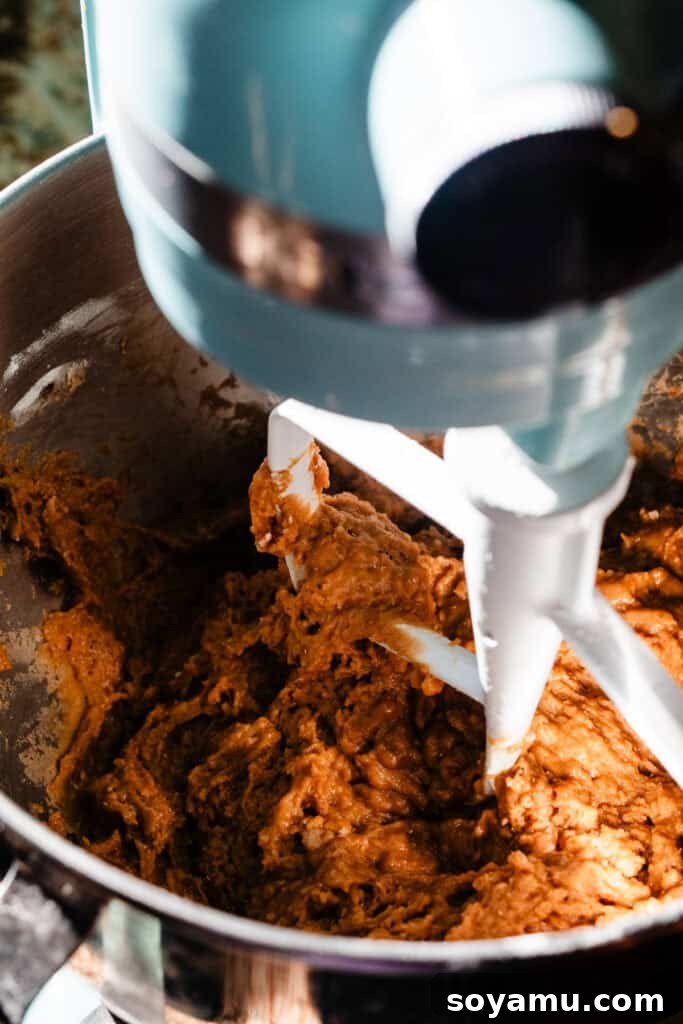
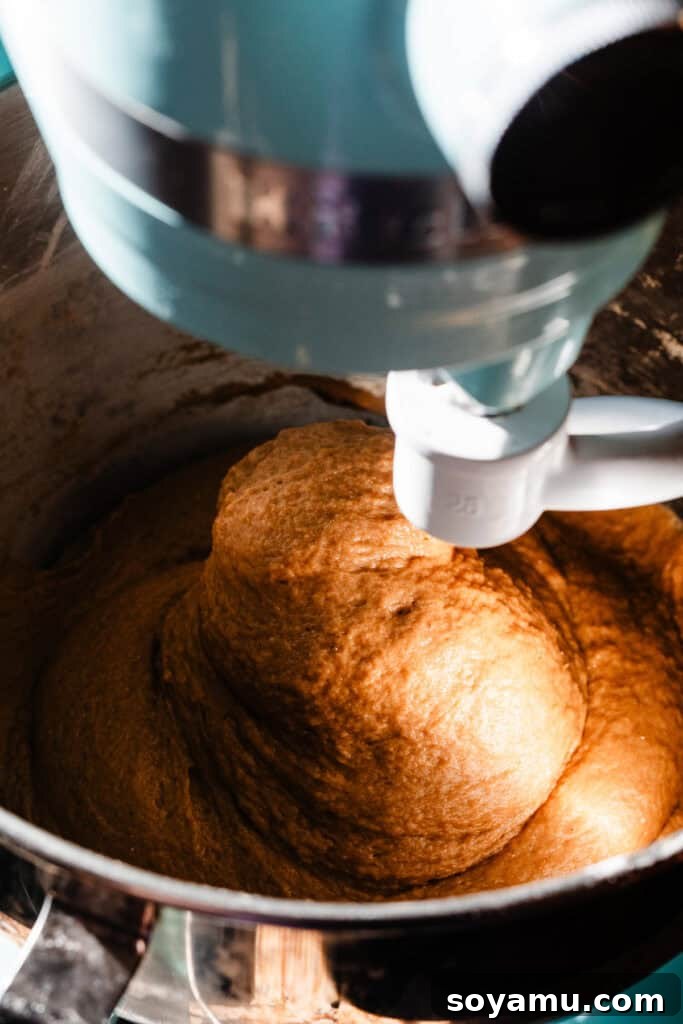
Step 2: The First Rise for a Light and Airy Texture
Once kneading is complete, gently remove the dough from the mixer bowl. Lightly spray the bowl with cooking spray, then return the dough to the bowl, ensuring it’s lightly coated with spray as well to prevent drying. Cover the bowl loosely with plastic wrap or a clean kitchen towel. Allow the dough to rise in a warm, draft-free place for approximately 1 hour and 30 minutes, or until it has visibly doubled in size. To confirm it’s ready, gently poke the dough with your fingertip; if the indentation remains and doesn’t spring back, your dough has proofed beautifully.
Expert Tip: While the dough is rising, this is the perfect time to prepare your luscious cinnamon filling and the indulgent gingerbread caramel pan sauce. This clever timing maximizes efficiency and ensures everything is ready when your dough is.
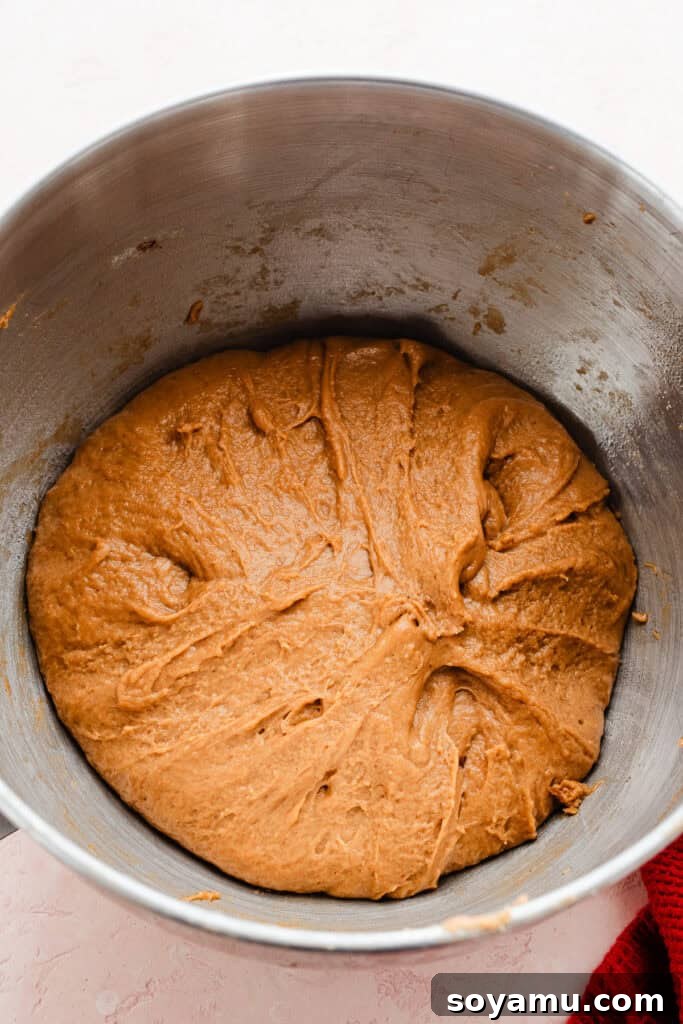
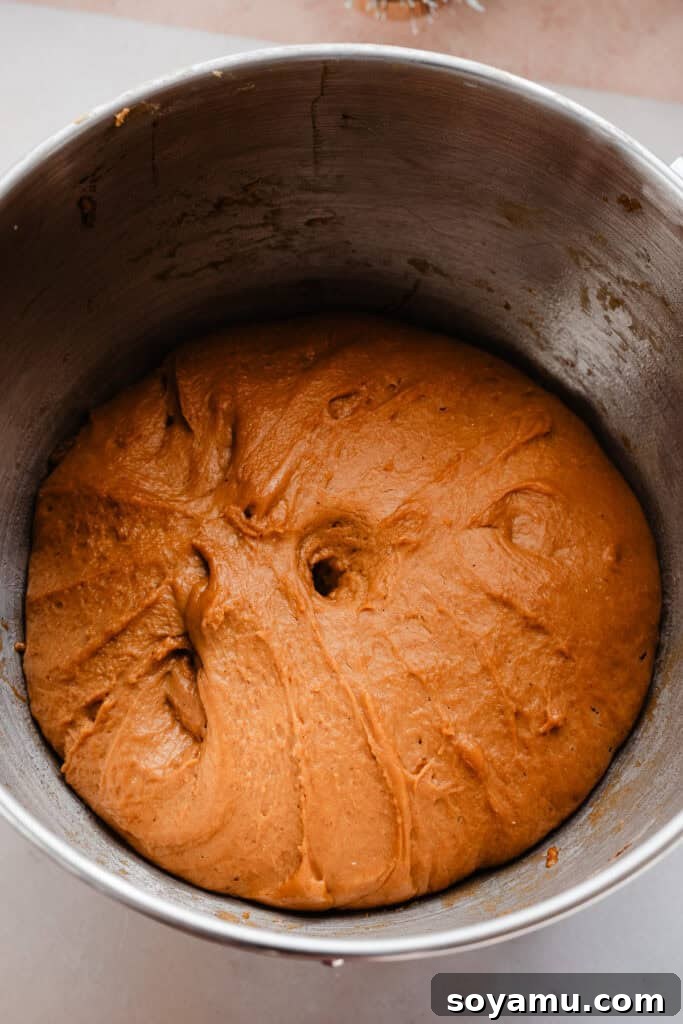
Step 3: Prepare the Rich Filling & Pan Sauce
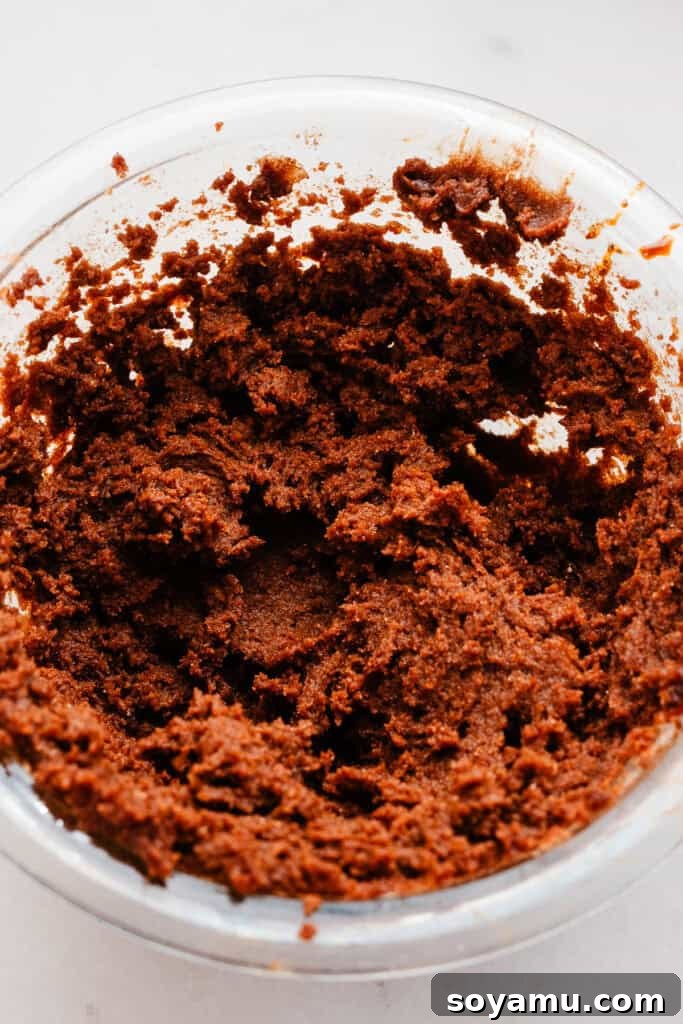
For the irresistible gingerbread cinnamon roll filling, combine softened salted butter, dark brown sugar, vanilla extract, molasses, generous amounts of cinnamon, nutmeg, ground ginger, and a pinch of salt in a medium bowl. Using an electric mixer, beat these ingredients together on medium-high speed until the mixture is creamy, smooth, and thoroughly combined. This rich, spiced concoction will form the heart of your rolls.
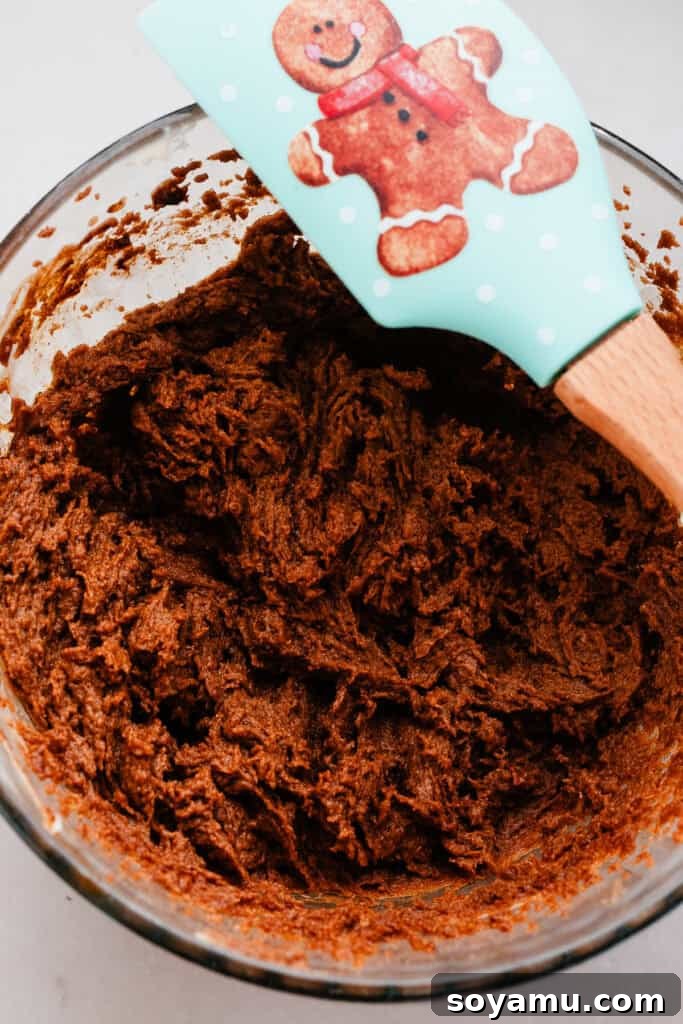
Next, create the gingerbread caramel pan sauce. In a separate medium bowl, beat together softened salted butter, dark brown sugar, cinnamon, a pinch of salt, vanilla extract, molasses, and heavy cream until it’s beautifully creamy and cohesive. This rich, spiced caramel will create a wonderfully gooey bottom layer for your cinnamon rolls. Evenly spread this thick, luscious mixture into the bottom of a prepared 9×13-inch ceramic or metal baking pan that has been lightly sprayed with nonstick spray. This sauce will meld with the rolls as they bake, forming an incredibly tender, caramelized base.
Step 4: Roll and Fill the Dough
Once your dough has completed its first rise, generously flour a clean work surface. Gently turn the risen dough out onto the floured counter. Using a rolling pin, carefully roll the dough into a large rectangle, aiming for dimensions of approximately 14 inches by 22 or 24 inches. The key is to achieve an even thickness across the entire surface.
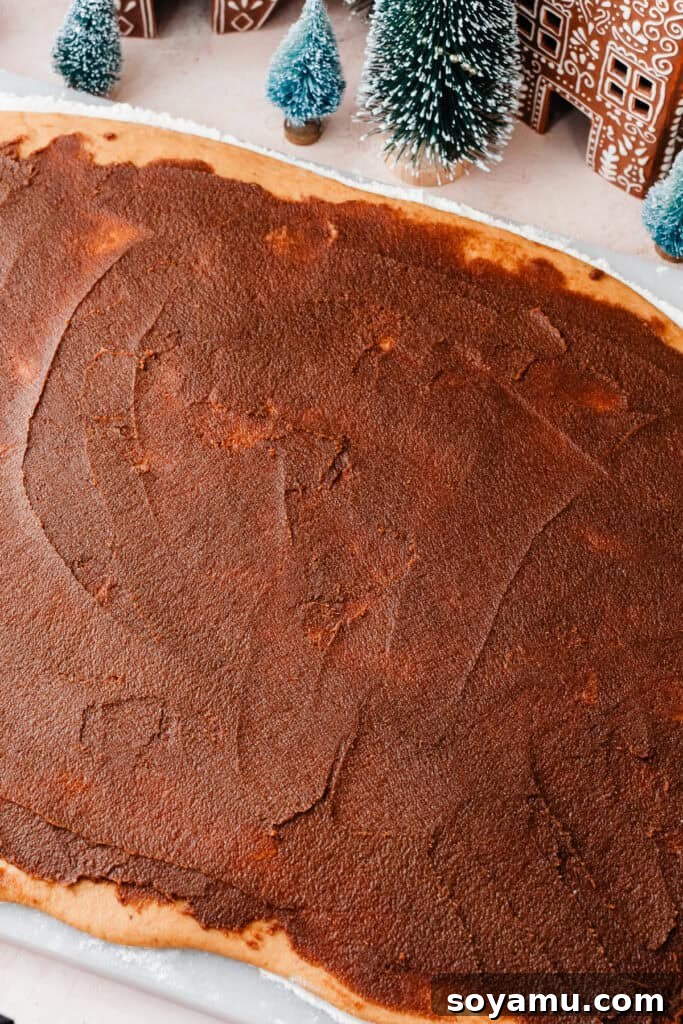
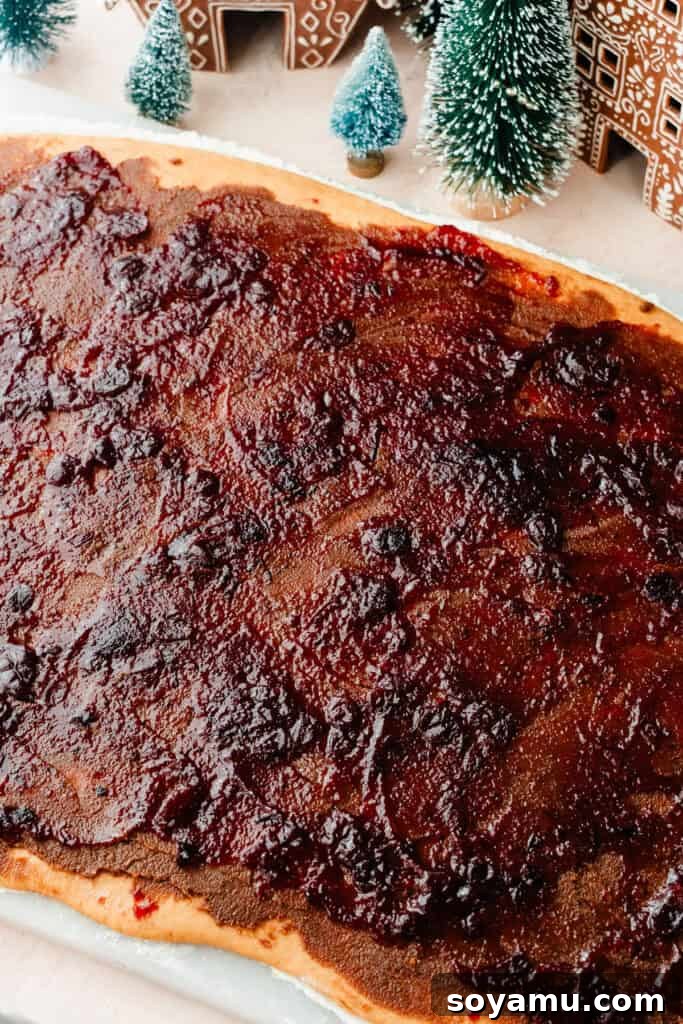
Next, take your prepared gingerbread cinnamon filling and dot it all over the surface of the rolled-out dough. Using an offset spatula or the back of a spoon, gently spread the filling as evenly as possible, extending it close to all edges of the dough. If you’re incorporating the optional cranberry jam for a delightful tangy contrast, spread it carefully over the cinnamon filling in a thin, even layer.
Step 5: Assemble the Rolls and Begin the Final Rise
Now comes the fun part: shaping your rolls! Instead of rolling the entire dough into a log and slicing, which can sometimes result in squished centers, we use a simpler, more efficient method. From the long side of your filled dough rectangle, slice strips that are approximately 1 and 3/4 inches wide. Then, carefully roll up each individual strip to form a neat cinnamon roll. This technique often yields more uniformly shaped rolls. For any slightly smaller pieces from the far ends of the rectangle, you can roll one into a small cylinder and then wrap the other strip around it to create one complete roll.
Arrange the newly formed rolls in your prepared 9×13-inch baking pan, placing them snugly on top of the gingerbread caramel pan sauce. Try to position any slightly smaller rolls towards the center of the pan, as the center typically bakes a bit slower, helping to ensure even cooking for all. Cover the pan loosely with a clean kitchen towel and allow the rolls to undergo their final rise for about 30-45 minutes. The exact time will depend on the warmth of your room; a warmer environment will result in a faster rise. Perform the fingertip indent test again to confirm readiness: if the indent holds, they’re perfectly proofed. While they rise, preheat your oven to 325℉ (160°C).
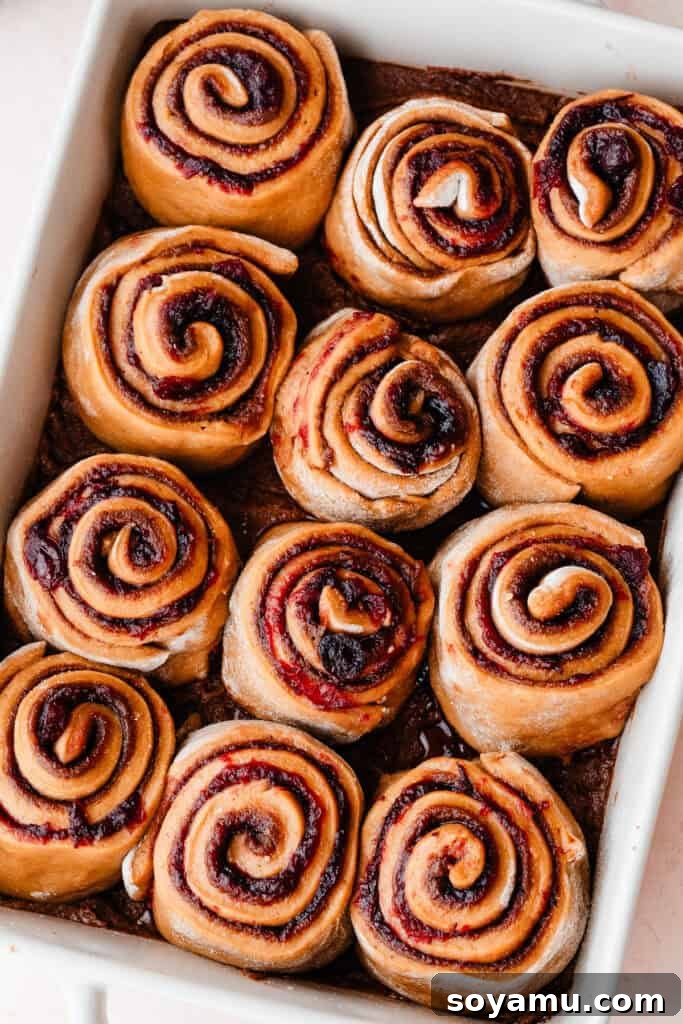
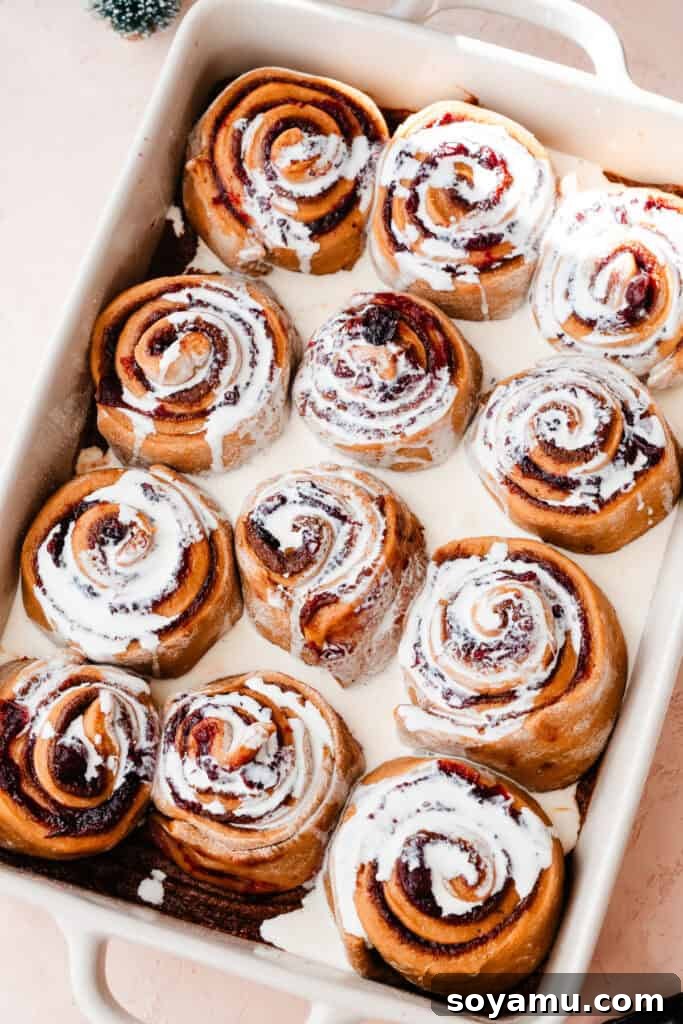
Step 6: Bake to Golden Perfection
Once the cinnamon rolls have fully risen and your oven is preheated, gently pour room temperature heavy cream evenly over the entire pan of rolls. This seemingly simple step is a secret to their incredible tenderness and ensures a wonderfully moist outcome. Bake the rolls at 325℉ (160°C) for 38 to 44 minutes. They are done when they appear lightly golden brown on top and set in the centers. For ultimate assurance, an instant-read thermometer inserted into the center of one of the middle rolls should register between 205℉ and 210℉ (96-99°C). Also, check the tip of the thermometer for any clinging raw dough; if present, add a few more minutes to the baking time. Don’t worry if they don’t look picture-perfect straight out of the oven; the frosting will work wonders!
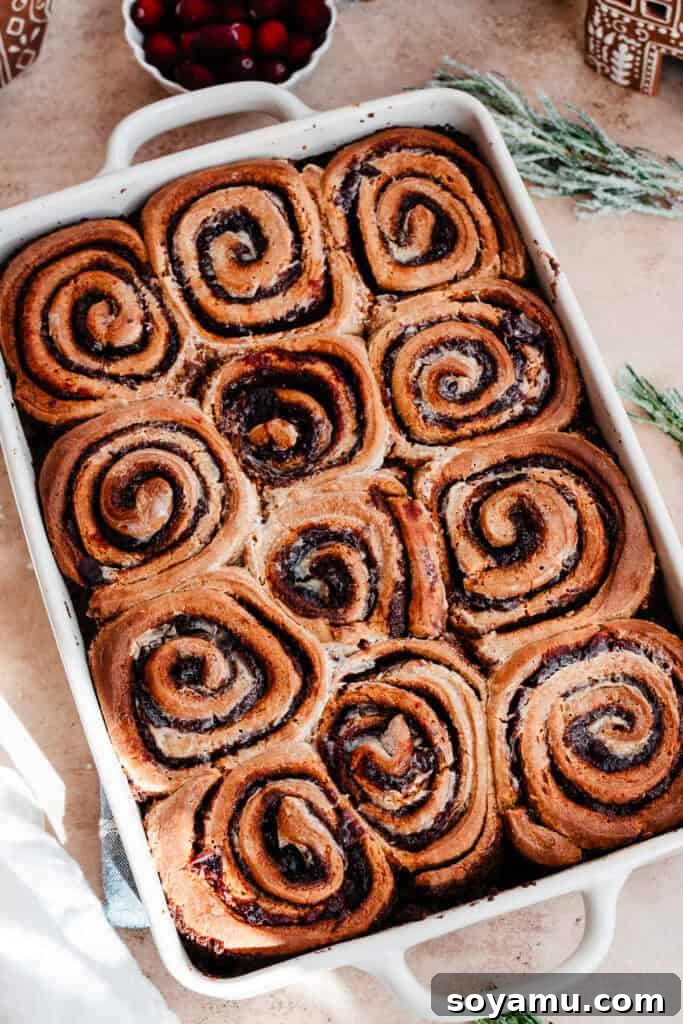
Step 7: Prepare the Silky Cream Cheese Frosting and Frost
While your rolls are baking, prepare the luxurious cream cheese frosting. In a medium mixing bowl, combine softened cream cheese, powdered sugar, vanilla extract, a pinch of salt, cinnamon, ginger, and optionally, a tablespoon of molasses for added depth. Using an electric mixer, beat all ingredients together on medium-high speed until the frosting is completely smooth, creamy, and thoroughly combined. For a thinner icing, add heavy cream (2-4 tablespoons) gradually until your desired consistency is reached. Remember that cream cheese frosting tends to become runnier the longer it’s mixed, so beat just until smooth.
As soon as the rolls come out of the oven, generously spread this delightful cream cheese frosting over their warm surfaces. The warmth of the rolls will slightly melt the frosting, allowing it to seep into every crevice and create an even more decadent experience. Prepare to be amazed!
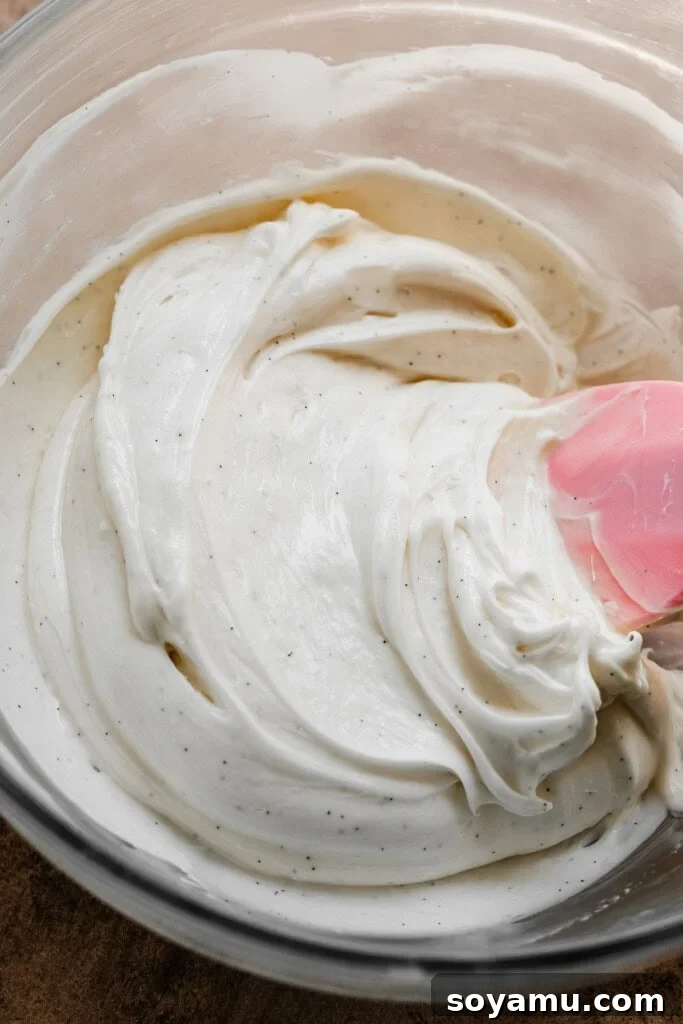
Optional: Elevate Your Presentation with Sugared Cranberries & Rosemary
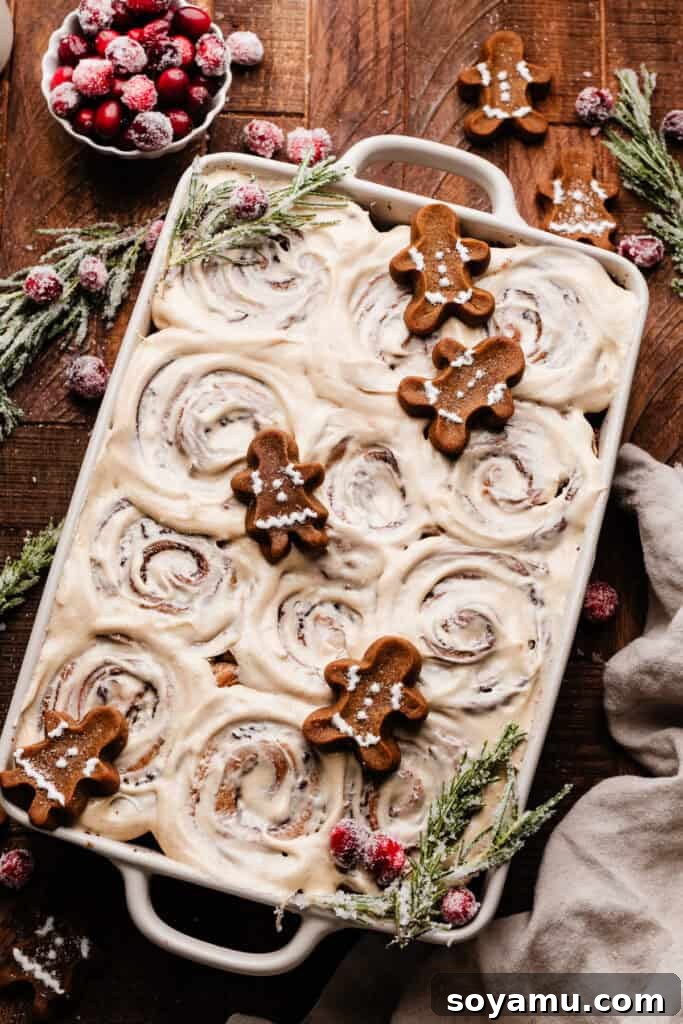
For a truly show-stopping presentation, consider adorning your gingerbread cinnamon rolls with beautiful sugared cranberries and rosemary sprigs. This step is entirely optional but adds a festive and elegant touch, perfect for holiday entertaining.
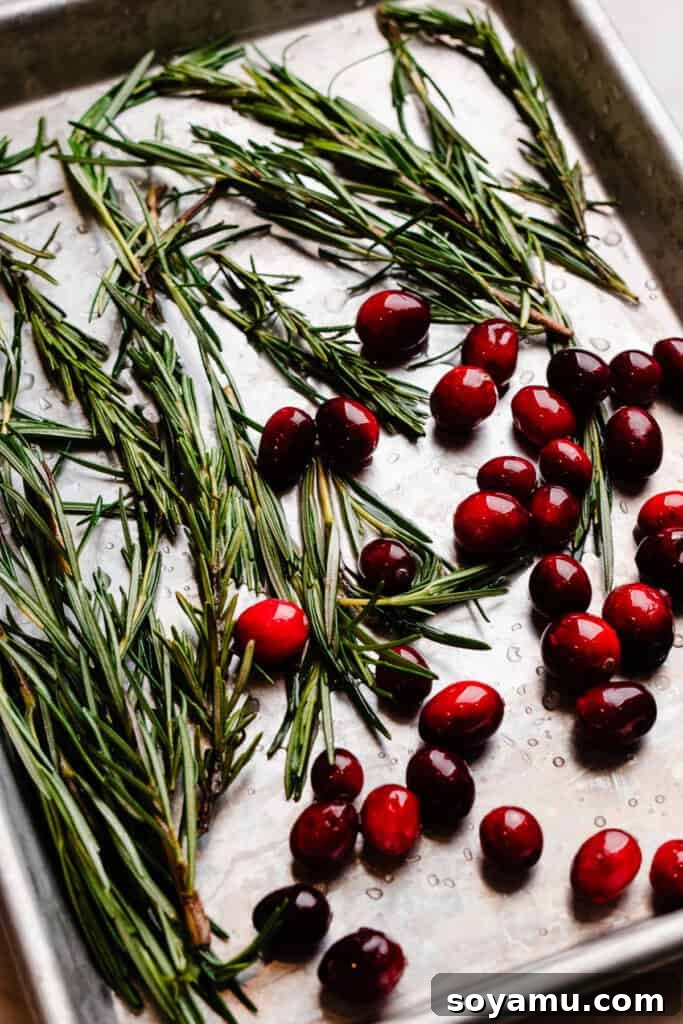
To make them, first prepare a simple syrup by gently heating equal parts sugar and water in a saucepan until the sugar completely dissolves. Allow the syrup to cool slightly. Dip fresh cranberries and small sprigs of rosemary into the simple syrup, ensuring they are well coated. Then, roll them in granulated sugar until they are sparkling and coated evenly. Let them dry completely on a wire rack before using them to garnish your frosted cinnamon rolls. The bright color and slight crunch of the sugared cranberries, paired with the fragrant, frosty rosemary, will make your rolls truly unforgettable.

Serving & Storing Your Gingerbread Masterpiece
These gingerbread cinnamon rolls are best enjoyed fresh from the oven, with the cream cheese frosting melting into their warm, gooey centers. There’s truly nothing comparable to a freshly baked roll on a crisp winter morning, especially with the magical backdrop of snowflakes falling outside.
Serving Suggestions:
- Classic Brunch: Serve them as the star of your holiday brunch alongside freshly brewed coffee, hot cocoa, or festive mimosas.
- Dessert: They also make a fantastic, comforting dessert, especially when served warm with a scoop of vanilla bean ice cream.
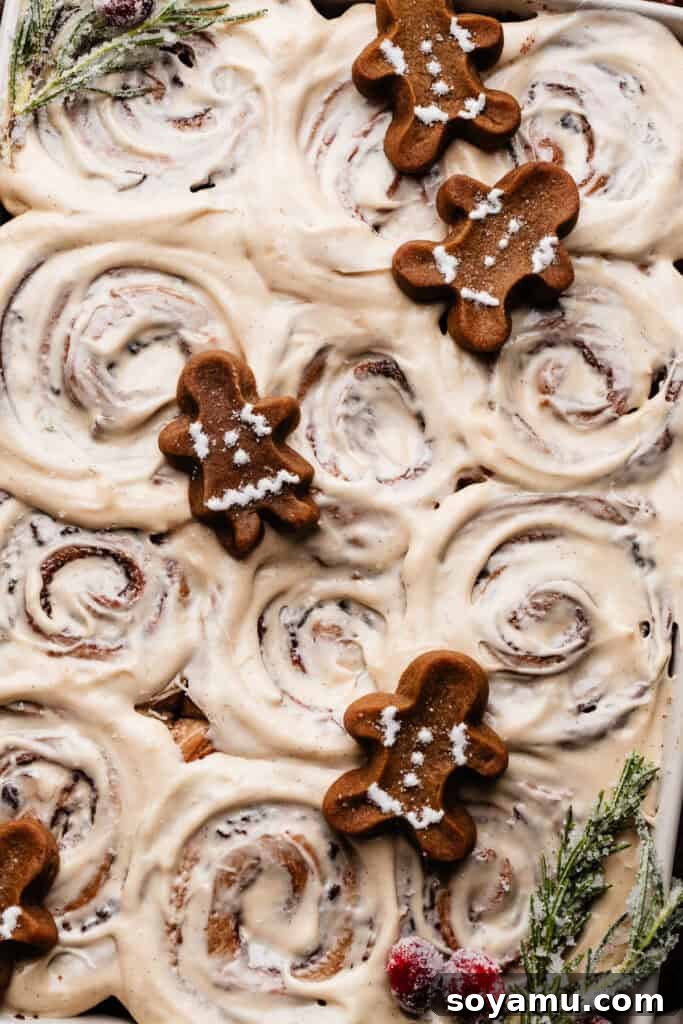
- Festive Garnish: As mentioned, decorate your frosted rolls with sugared rosemary and cranberries for an extra touch of holiday elegance. You can also add adorable mini Gingerbread Cookies on top for a truly whimsical display. These decorative additions are completely optional but certainly elevate the festive appeal!
Storing Leftovers:
While these rolls are undeniably best when enjoyed warm and fresh, leftovers can be stored and reheated to great effect. Place any unfrosted or frosted leftover rolls in an airtight container and refrigerate them for up to 2-3 days.
Reheating:
- Microwave: For a quick reheat, warm individual rolls in the microwave for 15-30 seconds until heated through and soft.
- Oven: To reheat a larger batch or to recapture that freshly baked texture, place rolls in a baking dish, cover loosely with foil, and warm in a preheated oven at 275℉ (135°C) for 10-15 minutes, or until warmed through.
Expert Baking Tips for Flawless Cinnamon Rolls
Achieving bakery-quality gingerbread cinnamon rolls at home is entirely possible with a few expert insights. These tips will help you navigate the nuances of baking and ensure your rolls turn out perfectly every time.
- Calibrate Your Oven with an Oven Thermometer: One of the most common culprits for baking inconsistencies is an inaccurate oven temperature. An oven thermometer is an inexpensive tool that will tell you if your oven is truly running at the temperature you set it to. Oven temperatures can fluctuate significantly, impacting proofing and baking times. Keep an oven thermometer inside at all times to monitor your oven’s calibration and ensure precise baking.
- Measure with Precision Using a Kitchen Scale: For consistent and professional baking results, a food scale is your best friend, especially when measuring flour. The volume of flour can vary dramatically depending on how it’s scooped and the specific measuring cup used. Weighing your flour (using grams as provided in the recipe card) guarantees you’re using the exact amount, preventing a dry or dense dough. This simple tool is a game-changer for all baking endeavors.
- Room Temperature Ingredients: Always ensure your eggs and dairy are at room temperature as specified. Cold ingredients can shock yeast, slowing down proofing, and can also lead to a lumpy dough and frosting. For eggs, simply placing them in a bowl of warm water for 5-10 minutes can quickly bring them to temperature.
- Don’t Overwork the Dough: While kneading is essential for gluten development, overworking the dough can lead to tough rolls. Stick to the recommended kneading times and observe the dough’s texture – it should be smooth and elastic but still soft.
- Ideal Proofing Environment: Yeast loves warmth! Find a warm, draft-free spot for your dough to rise. If your kitchen is cool, you can turn your oven on to its lowest setting for a few minutes, then turn it off and let the dough rise inside (with the oven light on) to create a perfectly cozy environment.
- Don’t Rush the Rise: Dough rising is an act of patience. Resist the urge to rush it. The “indent test” (poking the dough; if the indent remains, it’s ready) is a reliable indicator. An under-proofed dough will result in dense rolls, while an over-proofed dough can lead to a yeasty flavor and collapse during baking.
Frequently Asked Questions About Gingerbread Cinnamon Rolls
Here are some common questions to help you bake the most delicious gingerbread cinnamon rolls.
Absolutely! This recipe can be successfully halved if you’re baking for a smaller crowd or want fewer rolls. If halving, bake the rolls in a smaller 6 or 8-inch round pan instead of a 9×13-inch pan. You’ll also need to adjust the baking time; start with about 15 minutes less than the original recipe, then add more time as needed, checking for doneness with an instant-read thermometer.
Yes, these rolls are perfect for making ahead! You can prepare the dough and assemble the rolls up to the second rise (Step 5). After placing the rolled and sliced rolls in the pan on top of the caramel sauce, cover them tightly with plastic wrap and refrigerate overnight (for 8-12 hours). The next morning, take them out of the fridge and let them come to room temperature and complete their final rise (about 1.5-2 hours, depending on room temperature) before baking as directed. This allows for a fresh, warm breakfast with minimal morning effort.
Yes, you can freeze them! You have two main options:
Unbaked Rolls: After assembling and placing the rolls in the pan (before the second rise), cover them very tightly with plastic wrap and then foil. Freeze for up to 2-3 weeks. When ready to bake, transfer them to the refrigerator overnight to thaw and slowly rise. The next morning, let them finish rising at room temperature for an hour or so before baking.
Baked and Frosted Rolls: Freeze individual baked and frosted rolls by wrapping them tightly in plastic wrap and then foil. They can be frozen for up to 1-2 months. Thaw in the refrigerator and gently reheat in the microwave or oven.
Several factors can affect dough rising. Ensure your yeast is fresh and active (check the expiration date). Make sure your milk and melted butter are at the correct temperature (around 115℉ or 46°C) – too hot will kill the yeast, too cold won’t activate it. Your rising environment also needs to be warm and draft-free. If your kitchen is cold, try the oven trick mentioned in our expert tips (warm oven briefly, turn off, then place dough inside). Patience is key; sometimes dough just needs more time, especially in cooler conditions.
While a stand mixer makes the kneading process significantly easier, you can absolutely make these rolls by hand! The process will involve a bit more arm work and time. Mix the dough ingredients in a large bowl with a sturdy spoon or spatula until a shaggy dough forms. Then, turn the dough out onto a lightly floured surface and knead by hand for 10-15 minutes, or until the dough is smooth and elastic. The rest of the steps remain the same.
Essential Tools for Your Gingerbread Baking Journey
While some tools are simply helpful, others are key to ensuring the success and ease of making these gingerbread cinnamon rolls. Here’s a rundown of the special equipment you’ll find beneficial:
- Stand Mixer: A stand mixer with a dough hook attachment is highly recommended. It significantly simplifies the kneading process, saving you time and effort while ensuring the dough is properly developed for the best texture. While you can knead by hand, the mixer provides consistent results with minimal fuss.
- Ruler or Measuring Tape: This might sound unusual for baking, but a small ruler or a flexible mini tape measure kept in your baking drawer is incredibly useful. It’s perfect for precisely measuring out your dough when rolling it into a rectangle and for ensuring uniform slices, which leads to evenly sized and baked cinnamon rolls.
- Rolling Pin: A good quality rolling pin is essential for achieving an evenly thin and rectangular dough sheet, which is crucial for perfect spirals and consistent filling distribution.
- 9×13-inch Baking Pan: A standard ceramic or metal 9×13-inch baking pan is needed to bake these rolls. Its size is ideal for fitting all 12 rolls snugly, allowing them to rise together and create soft, touching sides.
- Offset Spatula: While not strictly necessary, an offset spatula makes spreading the cinnamon filling and optional cranberry jam incredibly easy and even, ensuring every part of the dough is covered.
More Cozy Cinnamon Roll Recipes to Explore
If you’ve fallen in love with these gingerbread cinnamon rolls, you’re in for a treat! We have an array of other comforting and irresistible cinnamon roll recipes perfect for any occasion. Expand your baking repertoire with these delightful variations:
- Apple Pie Cinnamon Rolls
- Incredible Gooey Cinnamon Rolls
- Peach Cobbler Cinnamon Rolls
- Maple Brioche Cinnamon Rolls
- Blueberry Cinnamon Rolls
Did you make this recipe? Leave a comment & star rating!
Click the little stars in the header of the recipe card below to leave a comment & star rating, letting me know how you liked the recipe. I take all feedback seriously, & leaving a rating helps my small business immensely!
Gingerbread Cinnamon Rolls with Cream Cheese Frosting
Rate
Ingredients
For the Cinnamon Roll Dough
- 1/2 cup salted butter, melted, 115℉ (113 grams)
- 1 cup 2% milk, warmed to 115℉ (240 grams)
- 2 large eggs, at room temperature
- 1/3 cup molasses (113 grams)
- 1/3 cup granulated sugar (70 grams)
- 2 and 1/2 tsp instant yeast (9 grams)
- 3/4 tsp salt
- 1 tsp cinnamon
- 2 and 1/2 tsp ground ginger
- 1/4 tsp nutmeg
- 1/8 tsp ground cloves
- 4 and 2/3 cups all-purpose flour, spooned & leveled or weighed out (606 grams)
For the Filling
- 1/2 cup salted butter, softened at room temperature (113 grams)
- 3/4 cup dark brown sugar, packed (165 grams)
- 1 tsp vanilla extract
- 2 tbsp molasses (44 grams)
- 2 tbsp cinnamon
- 1/4 tsp nutmeg
- 1/4 tsp ground ginger
- pinch of salt
- 1 cup cranberry jam or sauce (260 grams), optional
For the Gingerbread Caramel Pan Sauce:
- 1/2 cup salted butter, softened at room temperature (113 grams)
- 3/4 cup dark brown sugar, packed (165 grams)
- 2 tsp cinnamon
- pinch of salt
- 1 tsp vanilla extract
- 2 tbsp molasses (44 grams)
- 1/4 cup heavy cream (60 grams)
For Pouring Over the Unbaked Rolls:
- 1/3 cup heavy cream, gently warmed in the microwave (80 grams)
For the Cream Cheese Icing
- 6 ounces cream cheese, softened (170 grams)
- 1 and 1/2 cups powdered sugar, or more to taste (173 grams)
- 2-4 tbsp heavy cream, to thin as desired (30 to 60 grams)
- 1 tsp vanilla extract
- pinch of salt
- 1/4 tsp cinnamon, or more to taste
- 1 tbsp molasses, optional
Instructions
-
Make the Dough & First Rise: In the bowl of your stand mixer, combine the melted butter, warm milk, beaten eggs, molasses, granulated sugar, instant yeast, cinnamon, ground ginger, nutmeg, ground cloves, and salt. Whisk these ingredients together until well combined. Then, attach the paddle attachment and gradually add the all-purpose flour. Mix on low speed (setting 2-3) just until the flour is fully incorporated and no dry streaks remain. The dough will appear shaggy and wet at this stage. Let it rest for 5 minutes to allow the flour to hydrate.
Scrape the dough off the paddle attachment and replace it with the dough hook. Knead the dough on setting 1-2 (no higher!) for 8-10 minutes. The dough will start to pull away from the sides of the bowl, becoming smoother and more elastic, though it will remain quite soft. Lightly spray a piece of parchment paper with nonstick spray, pour the dough onto it, then spray the stand mixer bowl (no need to clean it out!) and return the dough to the bowl to rise. Cover the bowl loosely and let the dough rise for approximately 1 hour and 30 minutes, or until it has doubled in size. To check if it’s ready, gently poke the dough with your fingertip; if the indent holds, it’s sufficiently proofed.
Make the pan sauce and cinnamon filling while the dough rises – see the next two steps. Tip: Rising time can vary; it will be longer in colder environments and shorter if your house is warm. -
Make the Cinnamon Filling: In a medium bowl, combine softened salted butter, dark brown sugar, vanilla extract, molasses, cinnamon, nutmeg, ground ginger, and a pinch of salt. Beat all filling ingredients together on medium-high speed until they are well combined and creamy. (You can use the same bowl if desired – no need to clean it!) You will have a thick, fragrant mixture.
-
Make the Gingerbread Caramel Pan Sauce: In another medium bowl, beat together softened salted butter, dark brown sugar, cinnamon, a pinch of salt, vanilla extract, molasses, and heavy cream until well combined and creamy. Spray a 9×13-inch ceramic or metal baking pan with nonstick spray, then evenly spread this thick mixture across the bottom of the pan.
-
Roll & Fill the Dough: After the dough has risen for about 1 hour, generously flour your counter. Ensure you have enough space to roll the dough to a rectangle of about 14 inches by 22 or 24 inches. Gently turn the risen dough out onto your floured counter and roll it to the desired dimensions. Dot the cinnamon filling evenly all over the dough, then use an offset spatula to gently spread it as close to the edges as possible. If using, spread the cranberry jam in an even layer over the cinnamon filling.
-
Assemble Cinnamon Rolls & Final Rise: From the long side of the dough, slice strips that are approximately 1 and 3/4 inches wide. Roll each strip up into an individual cinnamon roll, then place it in the prepared pan on top of the caramel sauce. For smaller pieces from the far ends of the rectangle, roll one into a cinnamon roll, then wrap the other strip around it to create one larger roll. Try to place any smaller rolls towards the center of the pan, as center rolls tend to bake a little slower, helping to even out the baking. Place all the rolls in the prepared dish and cover loosely with a kitchen towel. Let rise for about 35 to 45 minutes (the warmer the room, the faster they will rise). To check for readiness, gently poke the side of a roll with your finger; if the indent remains and does not spring back, they are ready to bake.
Preheat your oven to 325℉ (160°C) while the rolls undergo their final rise. You can place the pan near the warm oven to encourage rising. *Note: This method of slicing strips before rolling is often easier than rolling the entire dough into a log and slicing from there, but either method works. -
Bake: Once the cinnamon rolls have risen sufficiently, pour the room temperature heavy cream evenly over and between them. Bake at 325℉ (160°C) for 38 to 44 minutes. The rolls will appear lightly golden brown and set in the centers. An instant-read thermometer inserted into the center of one of the middle rolls should register between 205 to 210 ℉ (96-99°C). Also, check the tip of the thermometer for any raw dough clinging to it; if needed, add a few more minutes to the baking time. Prepare the frosting while the rolls bake.
-
Make the Frosting: In a medium mixing bowl, beat together softened cream cheese, powdered sugar, 2-4 tbsp heavy cream (to thin as desired), vanilla extract, cinnamon, optional molasses, and a pinch of salt. Mix on medium-high speed until everything is combined, smooth, and creamy. Adjust the amount of heavy cream to achieve your desired consistency. Avoid overmixing, as cream cheese frosting can become too thin the longer it is beaten.
-
Serve + Store: Immediately and generously frost the warm rolls straight out of the oven. Enjoy them right away! Store any leftover rolls in an airtight container in the refrigerator for 2-3 days. Reheat gently as desired. While these are naturally best enjoyed fresh from the oven, they do reheat beautifully over the next day or two.
-
Extra Decorations (Optional): For an elegant touch, make sugared cranberries and rosemary according to the directions found in our Gingerbread Cake recipe. You can also make adorable mini Gingerbread Cookies using our separate recipe. Both additions are completely optional but add a lovely festive flair!
Notes
NOTE About Make Ahead Timing: These rolls are fantastic for overnight preparation! A great schedule is to make the dough and assemble the rolls (through step 5) around 8 or 9 PM. After placing the rolls in the pan, cover them tightly and refrigerate for 10 hours. The next morning, around 8 or 9 AM, take them out of the fridge, allow them to come to room temperature and complete their final rise (which will take longer after refrigeration, typically 1.5-2 hours), then bake as directed. This flexibility makes them perfect for a stress-free holiday morning!
Nutrition
Nutrition information is automatically calculated, so should only be used as an approximation.